What Are the Saints to Christians, and How Do They Help Us in Daily Life?
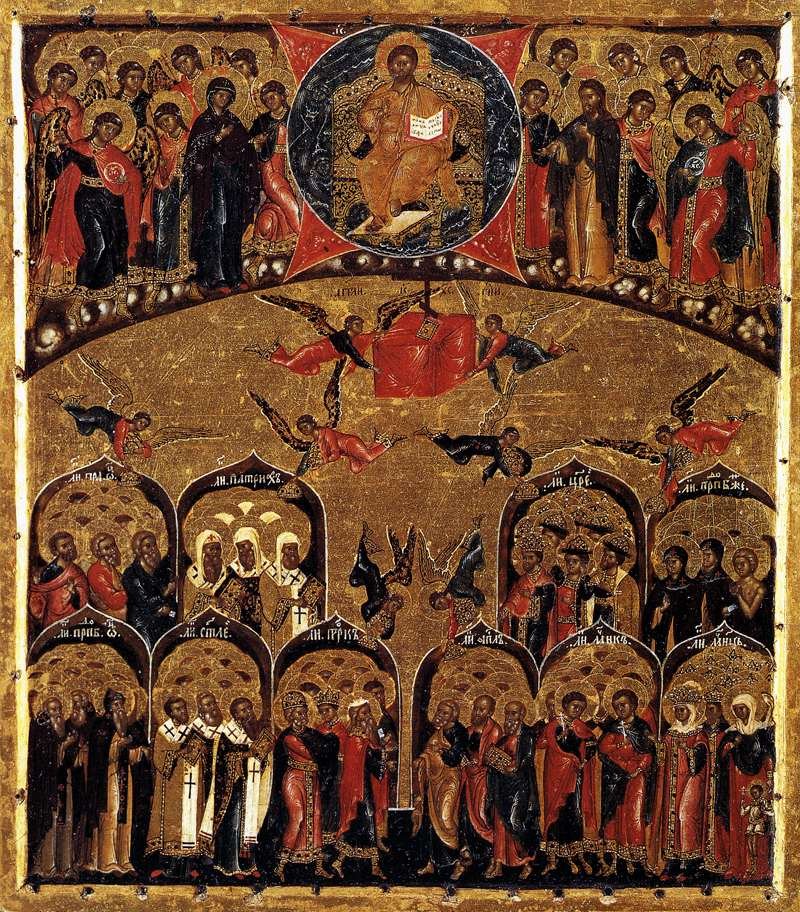
The saints show us how to live the Gospel. Learn to choose a spiritual model, follow a saint’s virtues in everyday life and seek his prayers before Christ.
The saints show us how to live the Gospel. Learn to choose a spiritual model, follow a saint’s virtues in everyday life and seek his prayers before Christ.
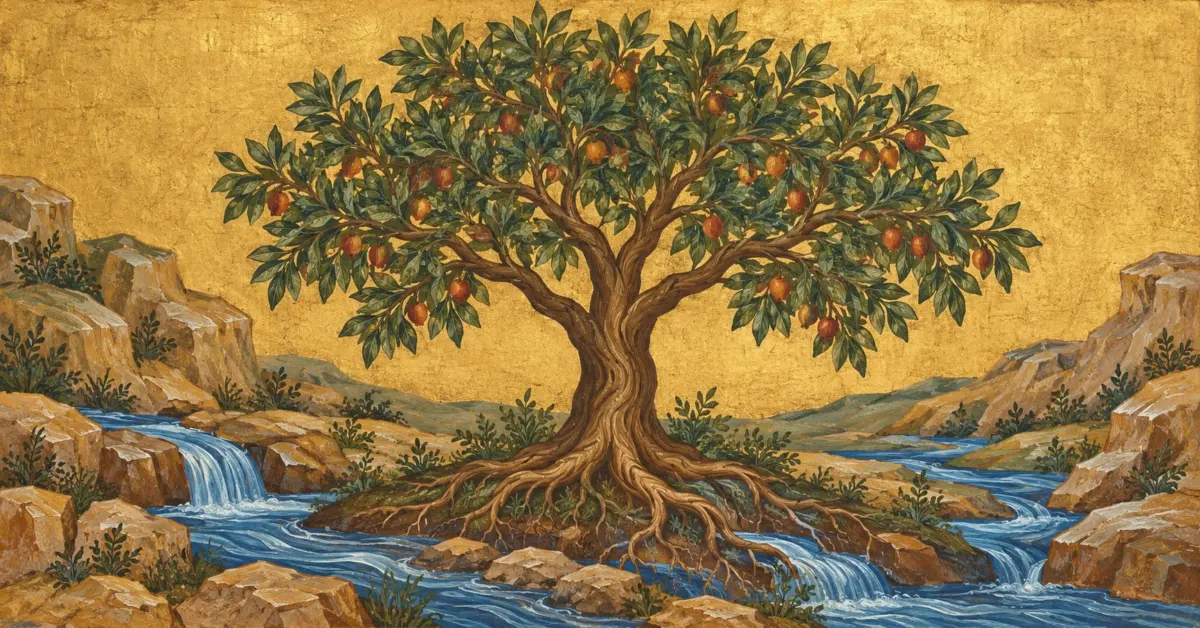
Psalm 1 opens the Psalter with the promise of blessedness. The Holy Fathers show its three steps: turning from evil, meditating on God’s word and becoming like Him.
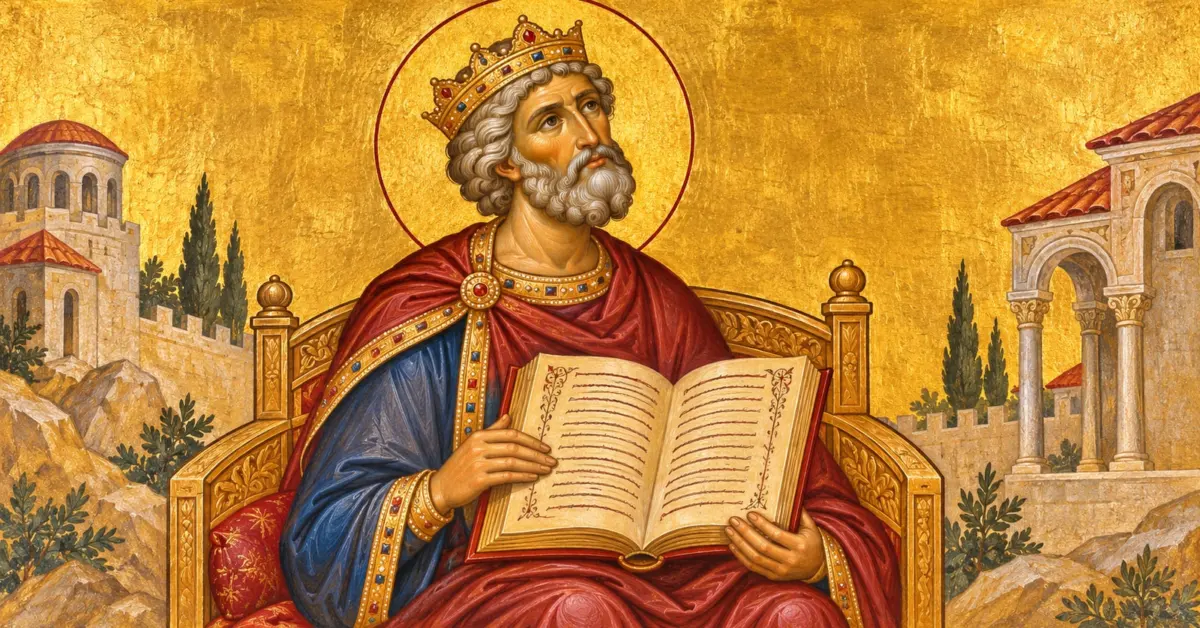
The First Kathisma contains the first eight psalms and opens the weekly reading of the Psalter at Saturday evening Vespers. We show briefly what each psalm says according to the Holy Fathers, where else the Church uses it, and what the troparia and prayer after the kathisma ask.
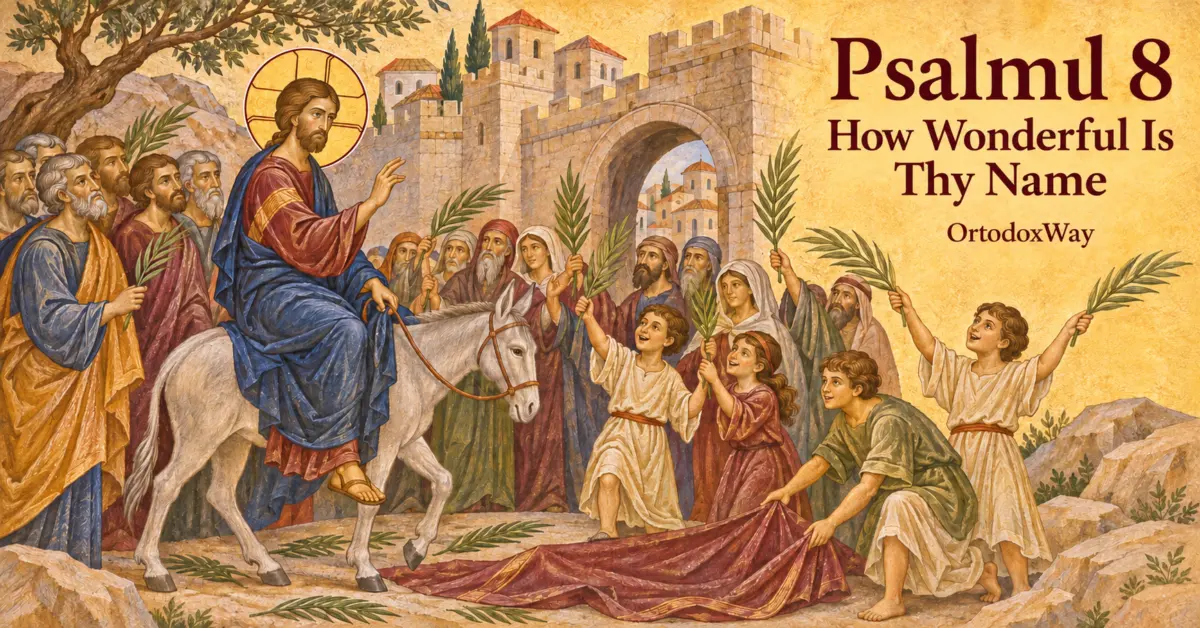
Psalm 8 is the song of wonder before God and before the honour given to man. Christ Himself quoted it on the day He entered Jerusalem, and the Apostle Paul interpreted it of Christ. The commentary follows Saint John Chrysostom, Saint Athanasius, Blessed Theodoret and Euthymios Zigabenos.
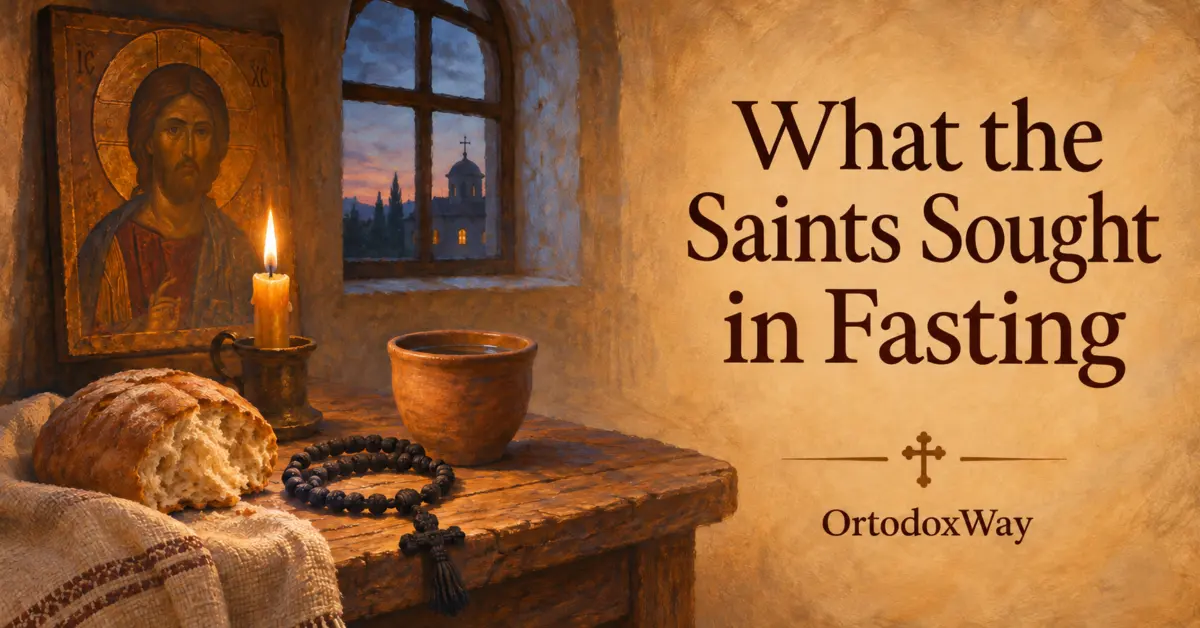
Why did the saints fast so strictly? The Holy Fathers explain what fasting changes within us, why its measure differs from person to person, and how it bears fruit with prayer, vigil and prostrations.
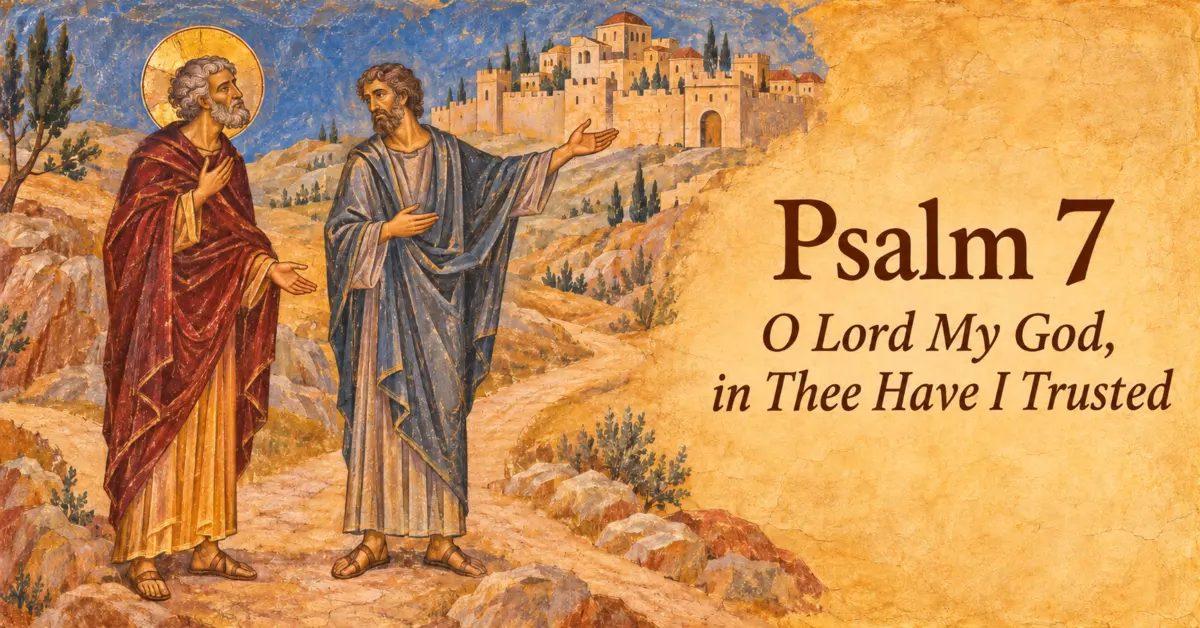
Psalm 7 is the prayer of David, persecuted by his own son, who puts his hope not in the counsel of friends but in God. The commentary follows Saint Basil the Great, Saint John Chrysostom, Saint Athanasius, Blessed Theodoret and Euthymios Zigabenos.
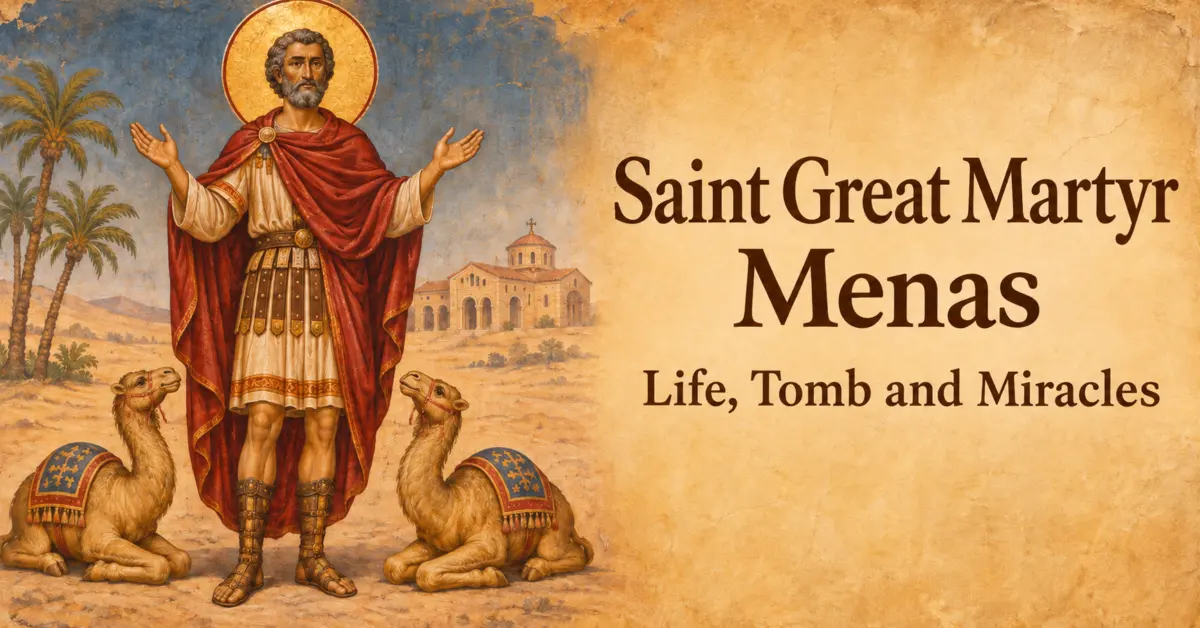
The life of Saint Menas, the pilgrimage city of Abu Mena and the miracles through which he helps the wronged and calls offenders to repentance.
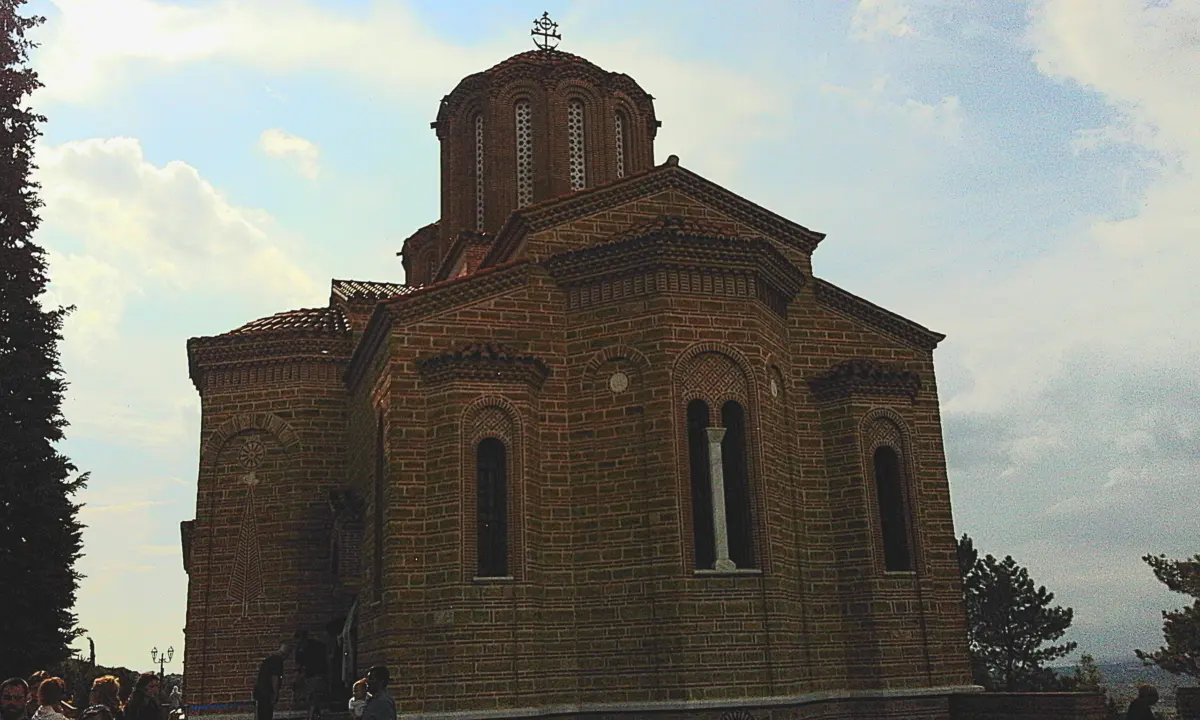
The priest of Farasa in Cappadocia, through whose prayers Christians and Muslims alike were healed, baptized the Venerable Paisios the Athonite, gave him his own name, and went with his flock into exile until his death on Corfu.
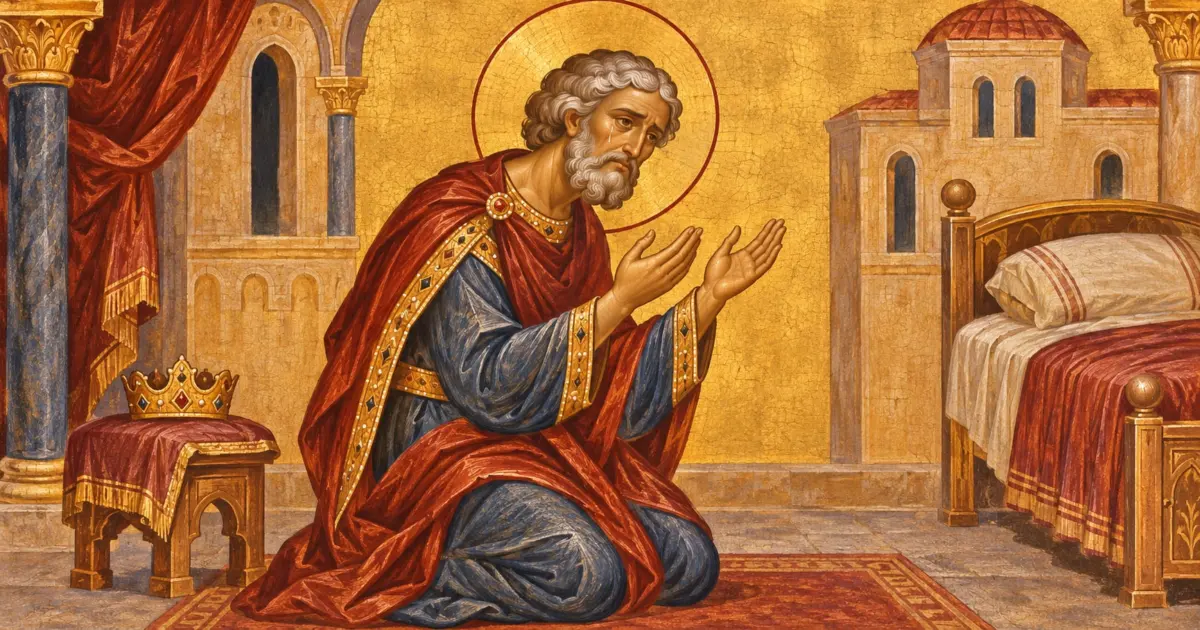
Psalm 6 is the prayer of a man who has come to know his sin and asks God to heal him as a father and as a physician. The commentary follows Saint John Chrysostom, Saint Athanasius, Blessed Theodoret and Euthymios Zigabenos.
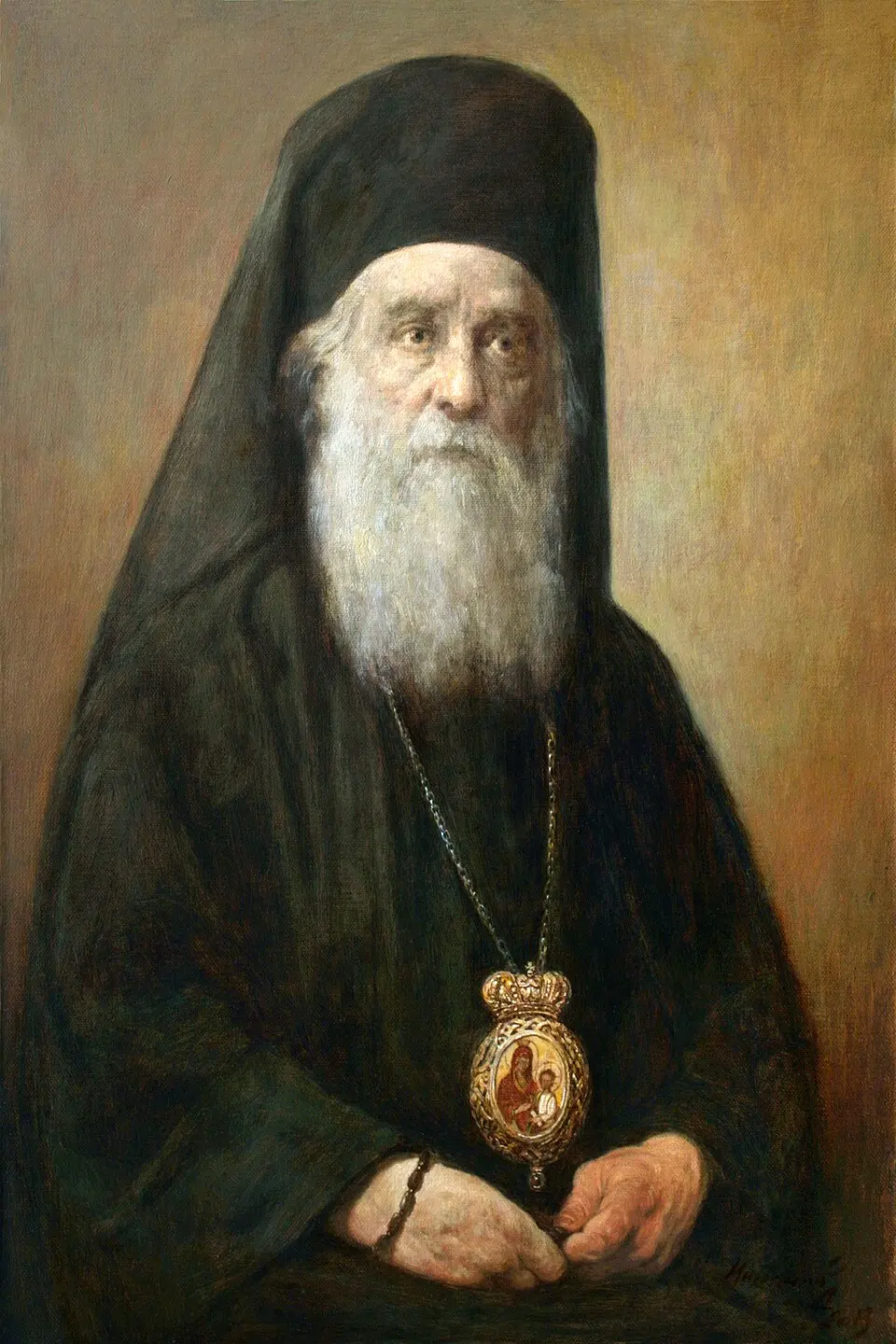
The Metropolitan of Pentapolis was removed from his ministry without trial, lived for thirty years under the weight of slander and died in a hospital ward for the poor. The Patriarchate that had banished him asked his forgiveness only in 1998.

Open OrthodoxWay articles from your home screen and reread recently visited pages offline.
Add site to Home Screen