The Miraculous Catch: “At Thy Word”
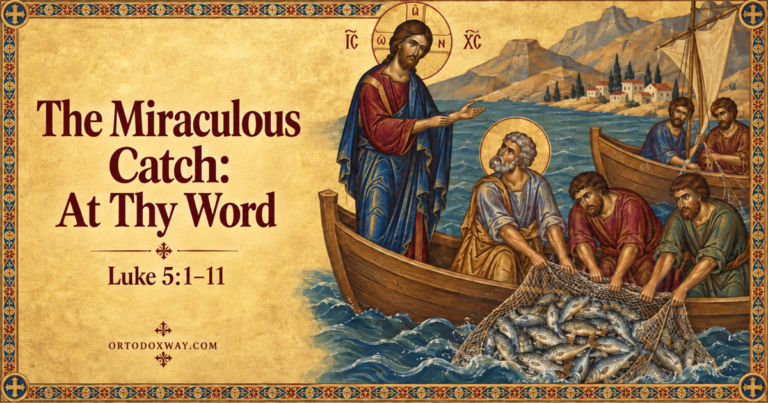
The miraculous catch in Luke 5:1–11, explained by the Church Fathers: Peter's obedience, the overflowing nets and Christ's call to follow Him.
The miraculous catch in Luke 5:1–11, explained by the Church Fathers: Peter's obedience, the overflowing nets and Christ's call to follow Him.
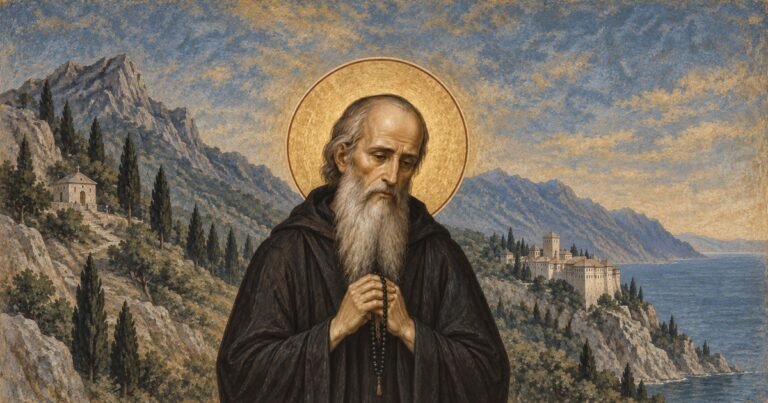
Saint Silouan the Athonite: Adam's lament, love for enemies, and prayer for the whole world. From lost grace to hope in the love of God.
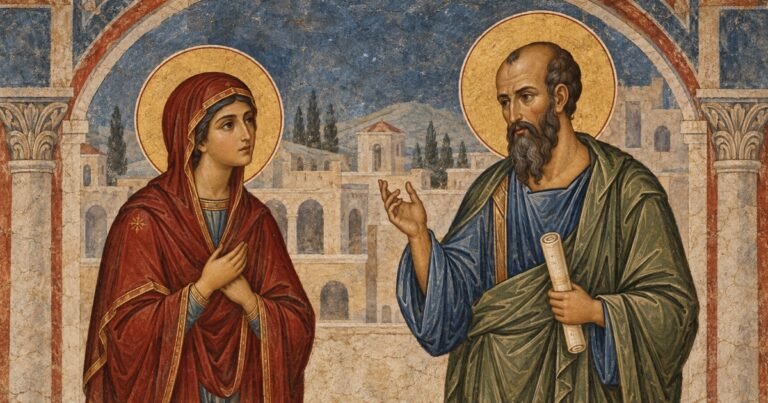
Saint Thecla, Protomartyr and Equal-to-the-Apostles: her discipleship under the Apostle Paul, from the window in Iconium to preaching the Gospel.
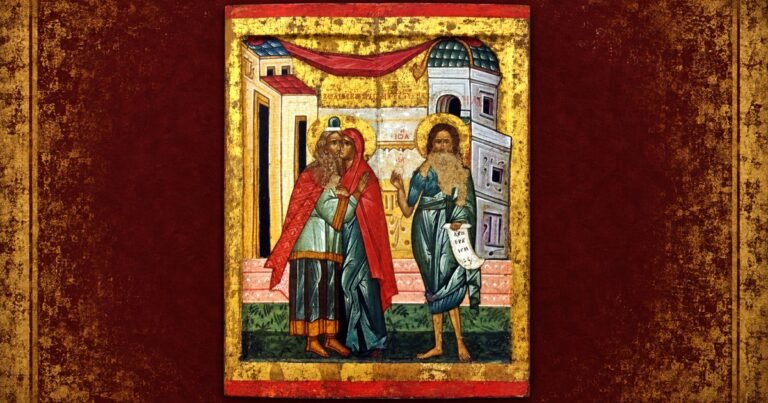
On 23 September the Church celebrates the conception of Saint John the Baptist. Why the Church honours this beginning, and what the five months in which Righteous Elizabeth hid herself show us.
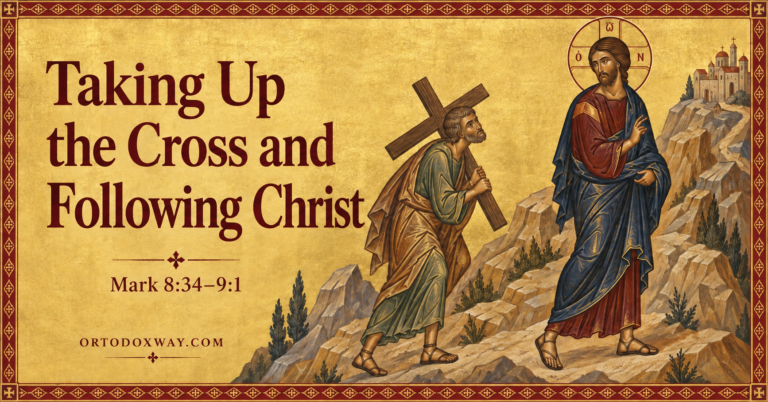
Self-denial, taking up the cross and following Christ: the Holy Fathers on Mark 8:34–9:1, read on the Sunday after the Exaltation of the Holy Cross.
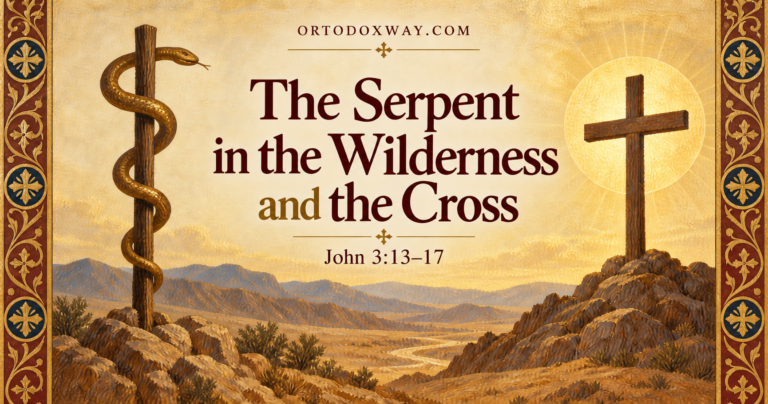
The serpent of brass and the Cross: Nicodemus, birth from above, and the love of God in the Holy Fathers’ interpretation of John 3:13–17.
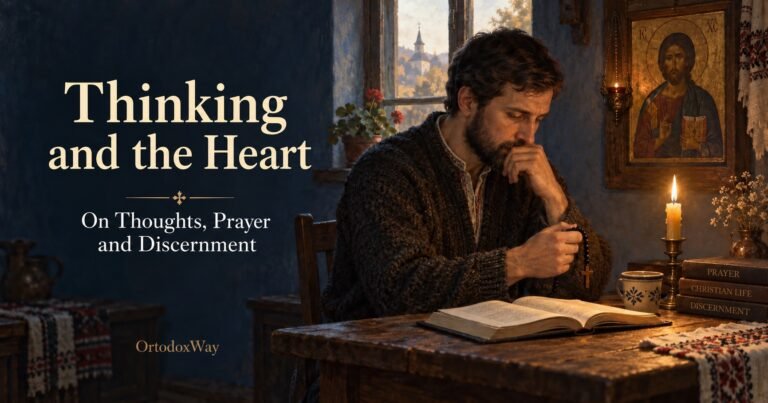
Thinking and the heart: on guarding thoughts, discernment and the prayer that gathers the mind before God, in the teaching of the Holy Fathers.
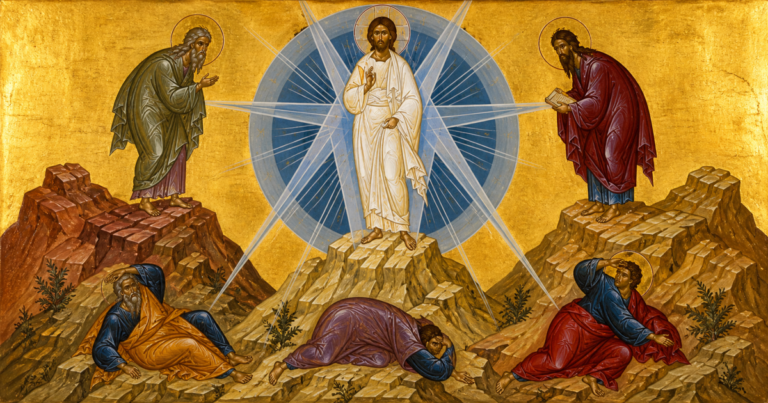
The forty-day fast of Moses, Elijah and Christ: patristic interpretations, the meaning of the number forty, and fasting in the Christian life.
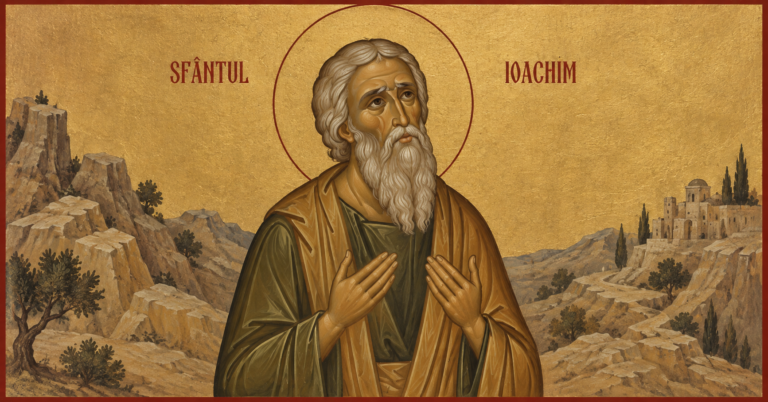
Saint Joachim, father of the Theotokos: his prayer in the wilderness, his offering to God, and the commemoration of Joachim and Anna on 9 September.
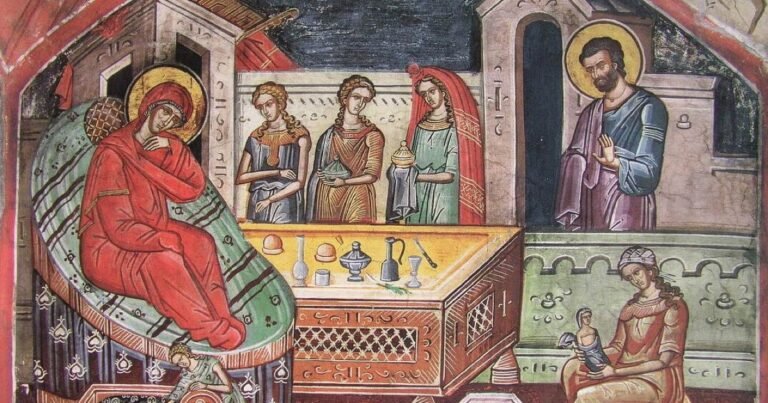
The Nativity of the Mother of God on 8 September: Joachim and Anna, the teaching of the Holy Fathers, and the meaning of the icons of the feast.