Frank Atwood: Between Repentance, Innocence, and the Image Left Behind

Frank Atwood was executed in Arizona after receiving the Great Schema. What the record shows, what he wrote about himself, and how his image took shape in Orthodox circles.
Essays on patristic discernment, living Tradition, spiritual authority, and the difference between Orthodox confession, ideology, and religious mythology.
Patristic Discernment
Essays on patristic criteria, living Tradition, and the discernment between confession, ideology, and religious mythology.
Four patristic criteria for judging tradition, authority, and spiritual fruit soberly.
Frank Atwood was executed in Arizona after receiving the Great Schema. What the record shows, what he wrote about himself, and how his image took shape in Orthodox circles.
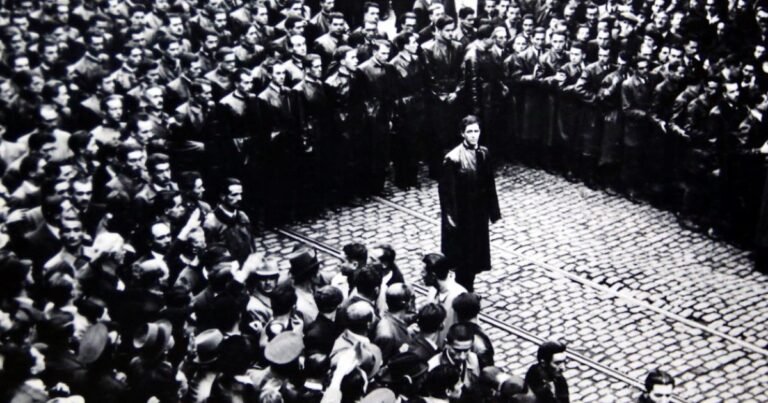
How the Iron Guard used Orthodox icons, clergy and the language of sacrifice to clothe a political programme in authority the Church had never granted.
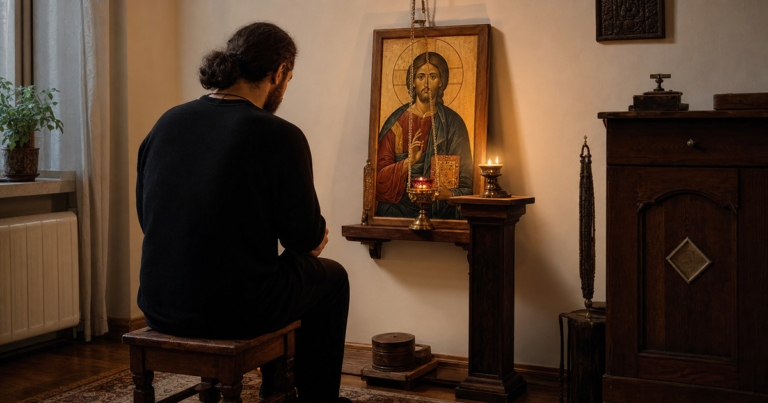
Why does the contemporary Christian confess the Resurrection, yet so rarely live its joy? A diagnosis of Liturgy, the Mysteries, the saints, and the return to Christ.
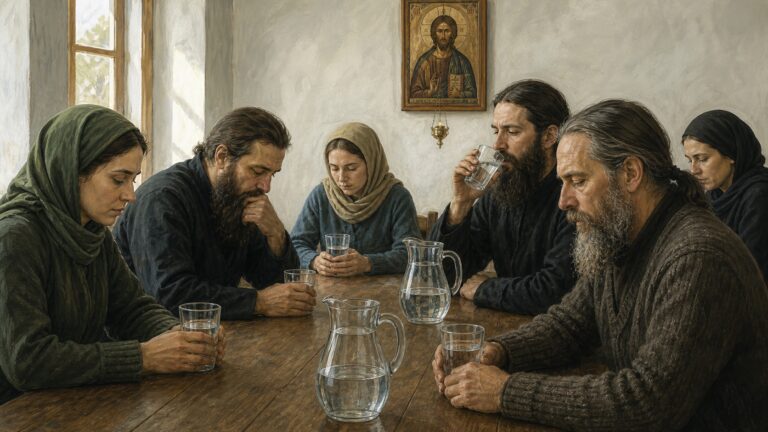
On the so-called “water-only fast,” “fasting and repentance” retreats, the Church’s forgotten complete fast, and why Orthodox fasting does not work with the unlimited.
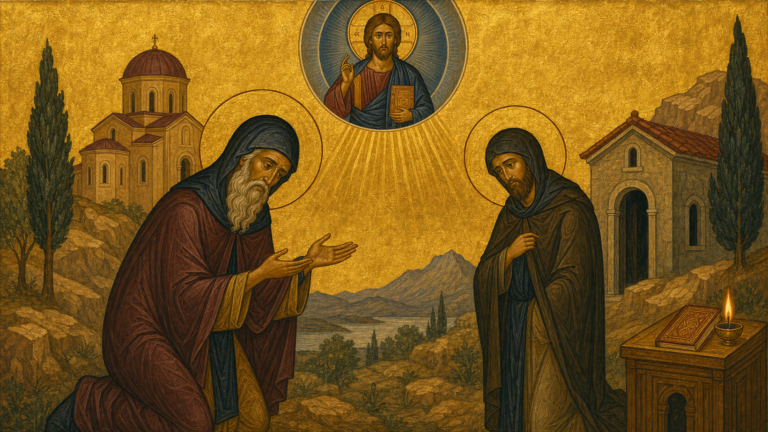
The saints saw sin more clearly than we do, yet they did not make themselves judges of men. Non-condemnation is the beginning of inner peace and love of enemies.
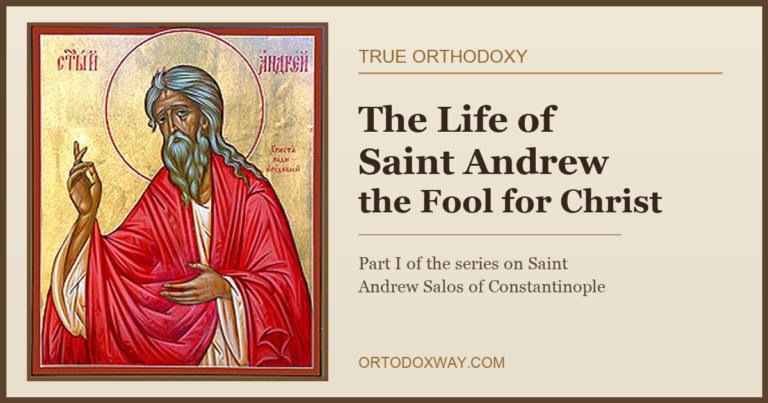
Saint Andrew the Fool for Christ and the Orthodox tradition of holy folly: its scriptural and patristic ground, the discernment of true folly, and the transmission of his Life.
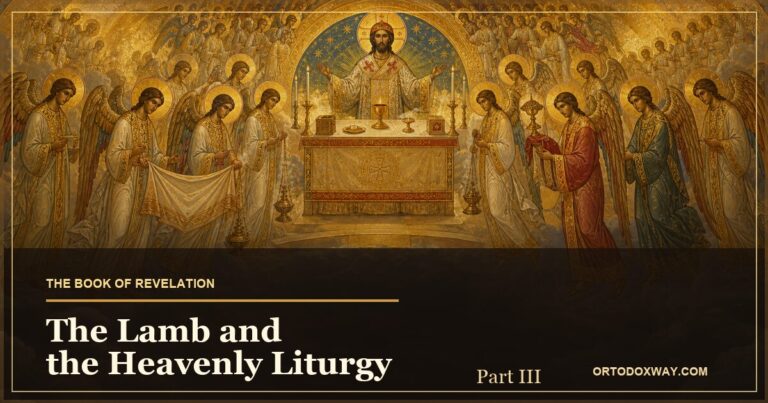
Part 3 of the Revelation series: the centre of the book is not the beast, but the Lamb and the heavenly Liturgy, where judgment and hope are revealed together.
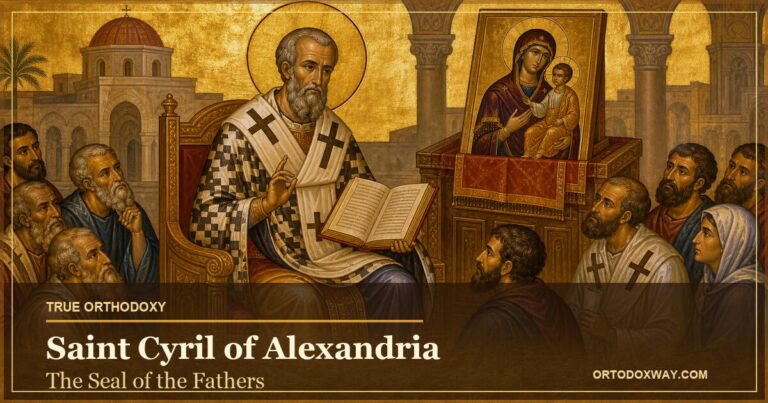
Saint Cyril of Alexandria defended the name Mother of God at Ephesus and showed the boundary between Orthodox faith and heresy.
After the Council of Crete, some faithful ceased commemorating their hierarch, appealing to Canon 15 of the First-Second Council. But that canon has an essential condition: the heresy must be preached openly and already condemned by the Church. Without this threshold, walling-off risks being not confession but division.
An unjust defrocking is nothing new in the Church. The Saints knew it fully. What separates a confessor from a schismatic is not the injustice suffered, but the manner of the response — and the grounds of the rupture, not its appearances.