How We Know That Christ Is in Us
In one of his Discourses, St Symeon the New Theologian shows by what signs we know that the seal received at Baptism and Chrismation is alive in our soul.
“No prophecy of Scripture is a matter of one’s own interpretation” (2 Peter 1:20). In Orthodoxy, Holy Scripture is not read according to each person’s own mind, but within the Church, together with the Holy Fathers — those who lived the word before explaining it. Patristic interpretation is not one opinion among others, but the sure path that guards us against distortions and opens the spiritual meanings of the sacred text.
In this category you will find interpretations of the Gospels, the Epistles, the Psalms, and difficult passages of Scripture, following Saint John Chrysostom, Saint Theophylact of Bulgaria, Saint Basil the Great, Saint Ephrem the Syrian, and the other Fathers of the Church.
In one of his Discourses, St Symeon the New Theologian shows by what signs we know that the seal received at Baptism and Chrismation is alive in our soul.
Love of enemies in Luke 6:31–36: St John Chrysostom, St Silouan and St Maximus on prayer, forgiveness, mercy and the grace of God.
The miraculous catch in Luke 5:1–11, explained by the Church Fathers: Peter's obedience, the overflowing nets and Christ's call to follow Him.
Self-denial, taking up the cross and following Christ: the Holy Fathers on Mark 8:34–9:1, read on the Sunday after the Exaltation of the Holy Cross.
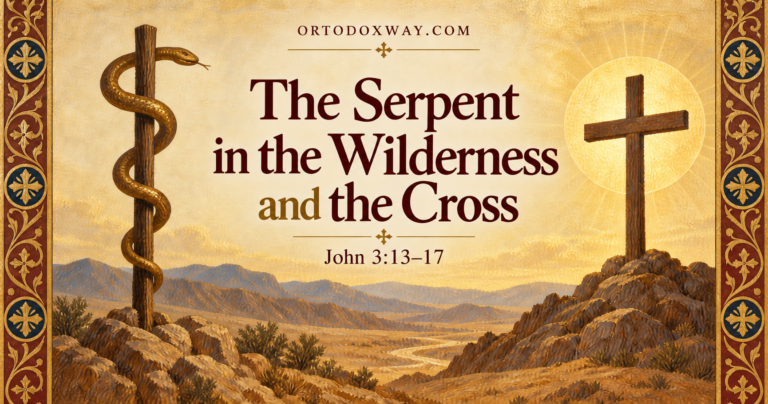
The serpent of brass and the Cross: Nicodemus, birth from above, and the love of God in the Holy Fathers’ interpretation of John 3:13–17.
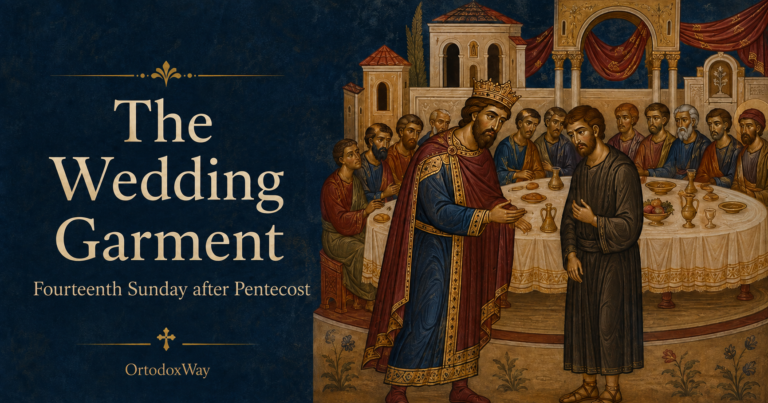
The wedding garment in the teaching of the Holy Fathers: Baptism, a changed life and love. Fourteenth Sunday after Pentecost, Matthew 22:2–14.
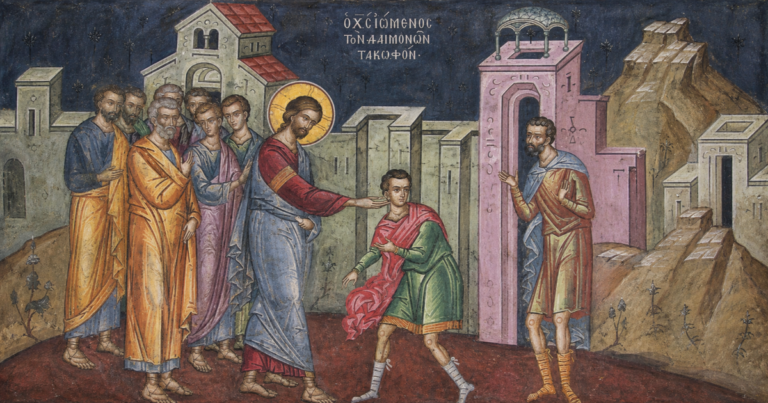
Descending from Tabor, Christ finds a kneeling father and powerless disciples. A patristic reading on faith, prayer and fasting.
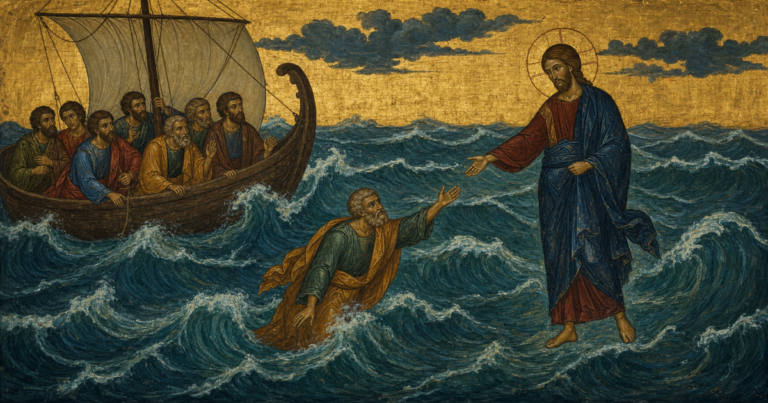
The Gospel of the Ninth Sunday after Pentecost (Matthew 14:22-34): Christ walks on the sea, Peter begins to sink, and the Name is spoken before the calm.
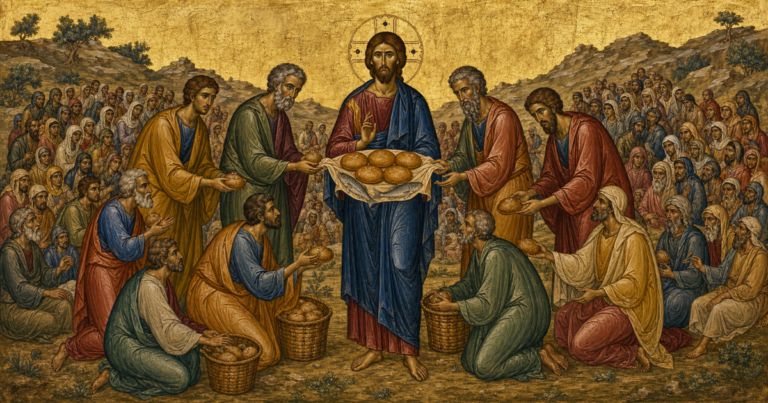
The Epistle and Gospel of the Eighth Sunday after Pentecost: what Paul learned from Corinth and how he answered it, and the day Christ fed five thousand people in the wilderness.
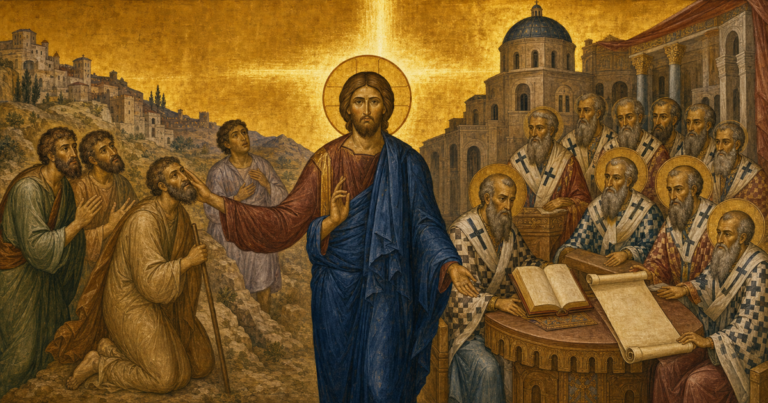
A patristic commentary on the readings for the Sunday of the Holy Fathers of Chalcedon: Titus 3, Romans 15, Matthew 5 and 9, and the High-Priestly Prayer in John 17.