Saint Kosmas the Aetolian, the Hieromonk Who Joined Preaching to Education
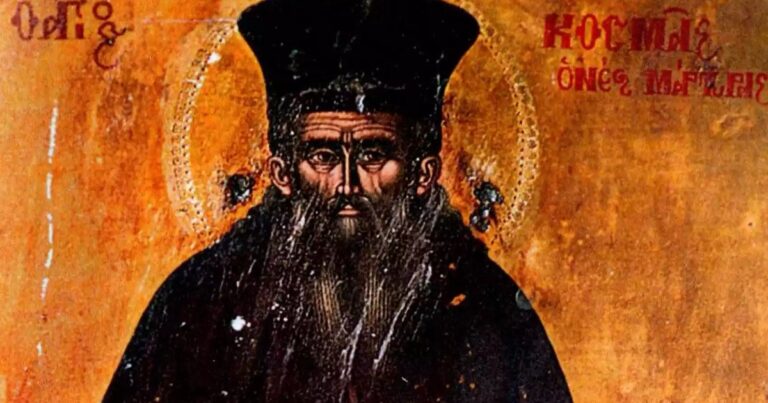
The life of Saint Kosmas the Aetolian: twenty years of preaching through the Balkans, the schools he founded, and his martyrdom on 24 August 1779.
The life of Saint Kosmas the Aetolian: twenty years of preaching through the Balkans, the schools he founded, and his martyrdom on 24 August 1779.
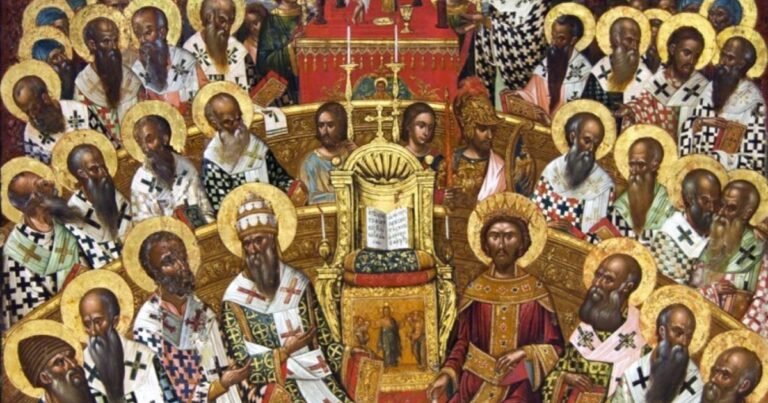
How Orthodox Churches became self-governing, who granted their autocephaly, and why there is still no single procedure accepted by all.
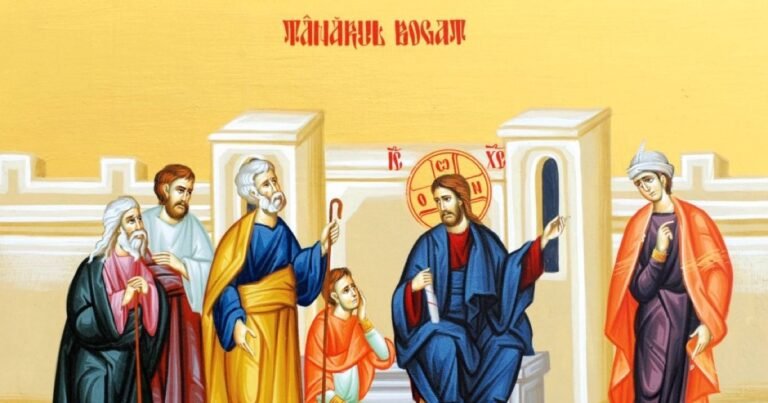
The Twelfth Sunday after Pentecost: the rich young man, the camel and the needle's eye, and the one thing needful at the Leave-taking of the Dormition.
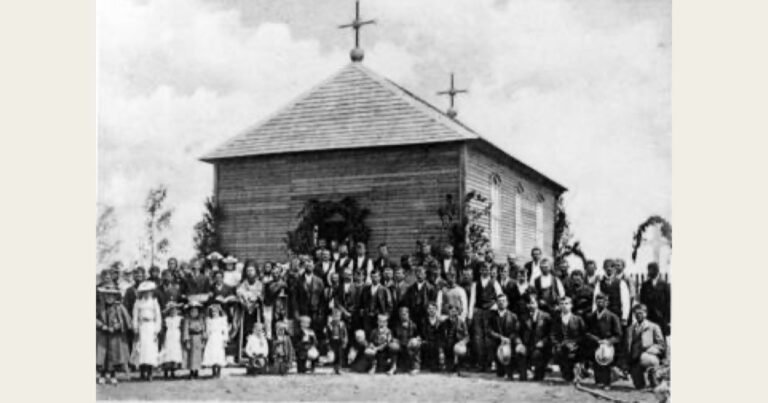
How Romanian laymen founded the first parishes in North America, how communism produced the break between two dioceses, and why the separation continues today.
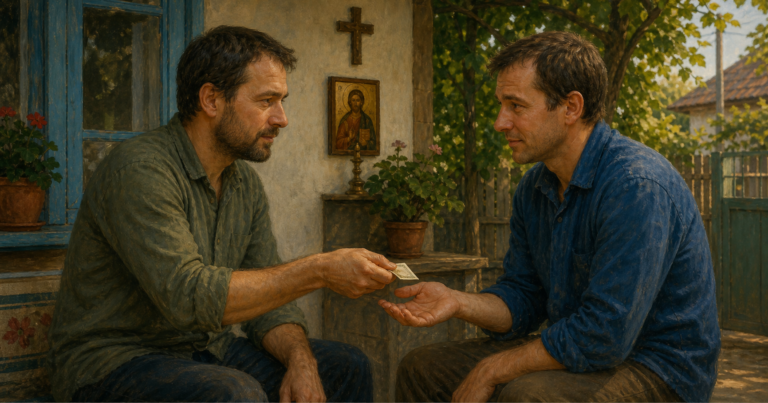
How Christians can lend without losing love, when it is right to refuse, and what the borrower must do when a debt can no longer be repaid.
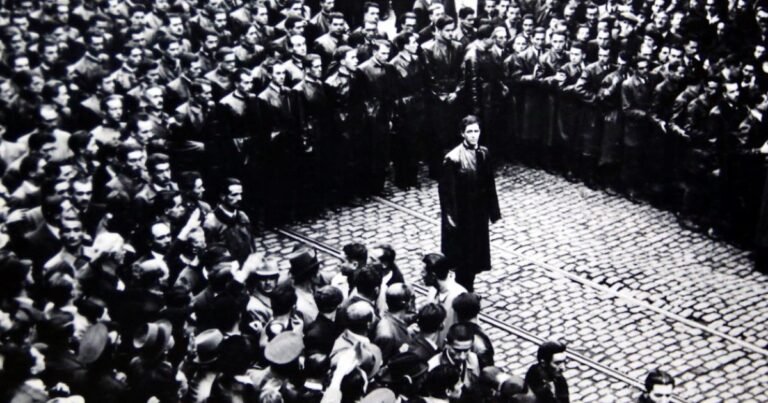
How the Iron Guard used Orthodox icons, clergy and the language of sacrifice to clothe a political programme in authority the Church had never granted.
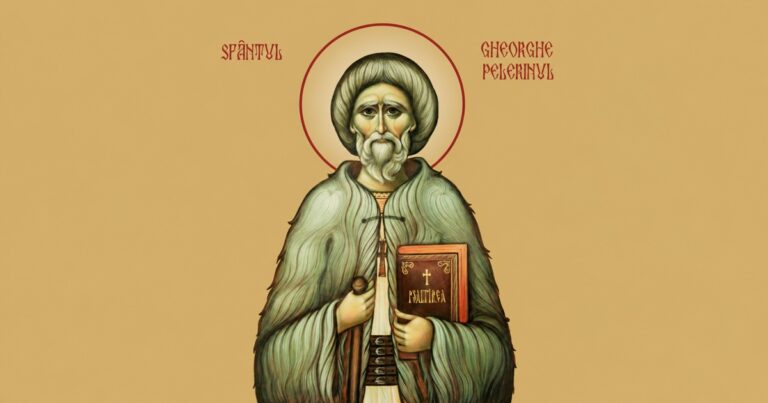
A married layman and father of five, Saint George walked barefoot through Moldavia with the Psalter, praying by night and serving the poor.
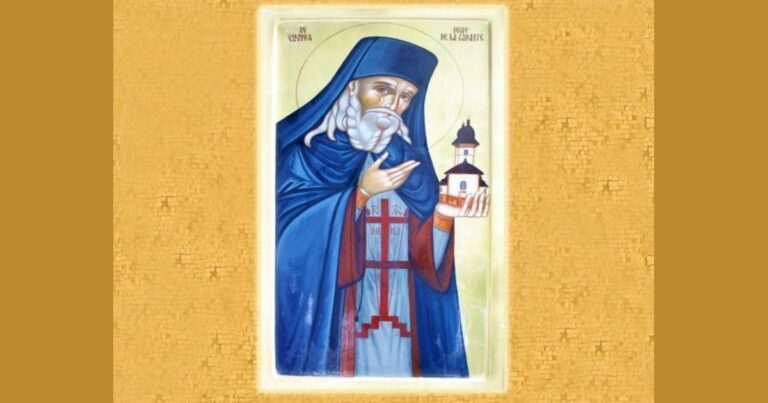
A disciple of Saint Paisius, founder and first spiritual father of Văratec, Saint Joseph carried the Philokalic tradition into a large community of nuns.
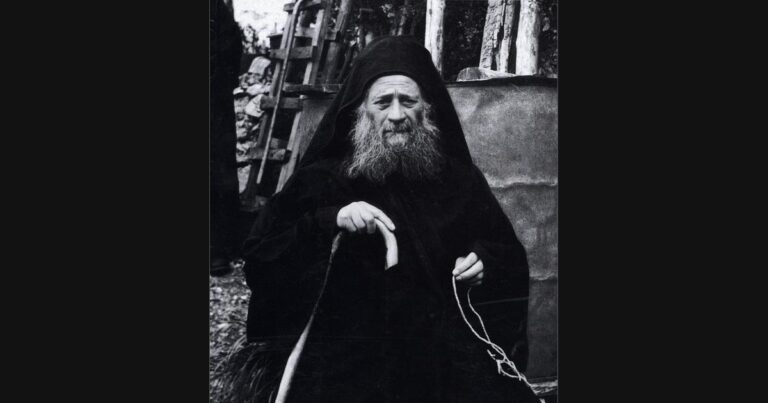
Saint Joseph the Hesychast left a small brotherhood whose spiritual line renewed six Athonite monasteries and carried noetic prayer across the world.
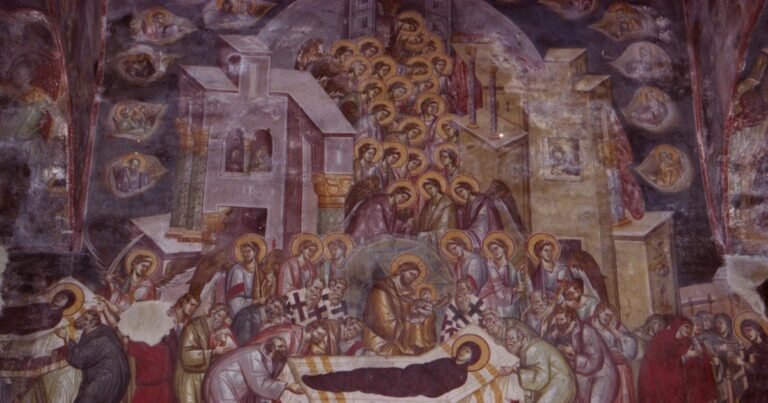
On 15 August the Church commemorates the true death and translation to life of the Mother of God. Why the feast is called the Dormition.