Psalm 1 – “Blessed Is the Man”

Psalm 1 opens the Psalter with the promise of blessedness. The Holy Fathers show its three steps: turning from evil, meditating on God’s word and becoming like Him.
Psalm 1 opens the Psalter with the promise of blessedness. The Holy Fathers show its three steps: turning from evil, meditating on God’s word and becoming like Him.

Psalm 2, “Why Did the Heathen Rage”, explained through the Holy Fathers: Christ’s Passion, His kingship and our hope in God.

Psalm 3 explained through the Holy Fathers: David’s flight from Absalom, repentance, hope in God and the morning prayer of the Church.
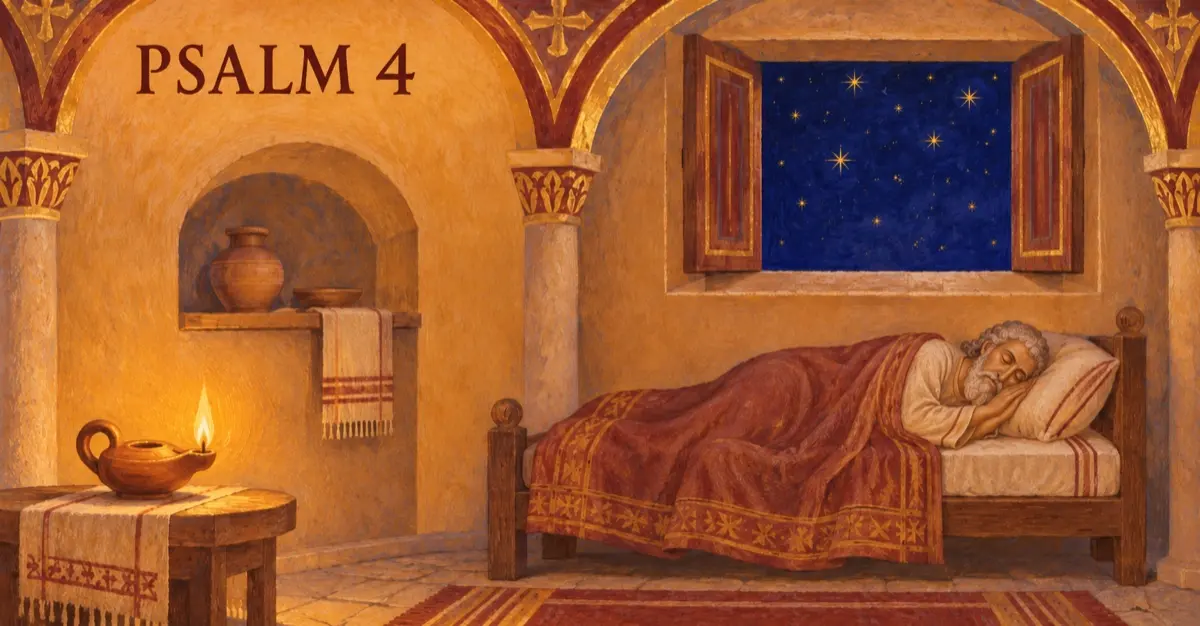
Psalm 4 explained through the Holy Fathers: prayer in affliction, restraint of anger, examination of conscience and peaceful rest in God.
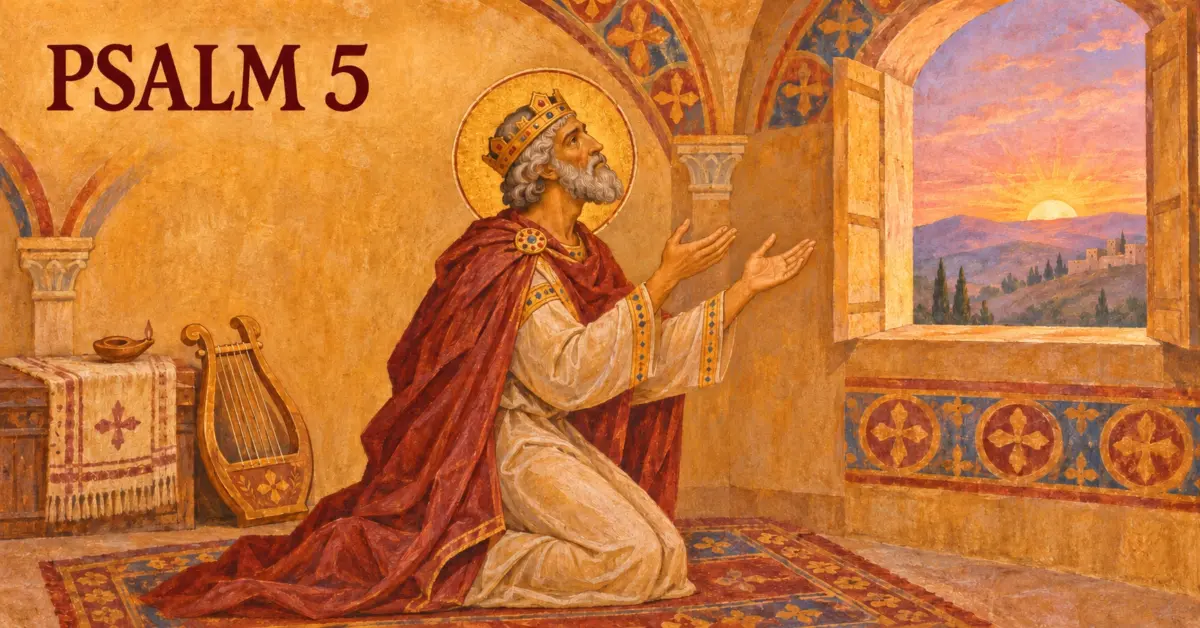
Psalm 5 begins the day with prayer, reverence and trust in God. Through the Holy Fathers, discover the Church’s promised inheritance, the right way to pray for enemies, and the enduring joy of those who hope in the Lord.
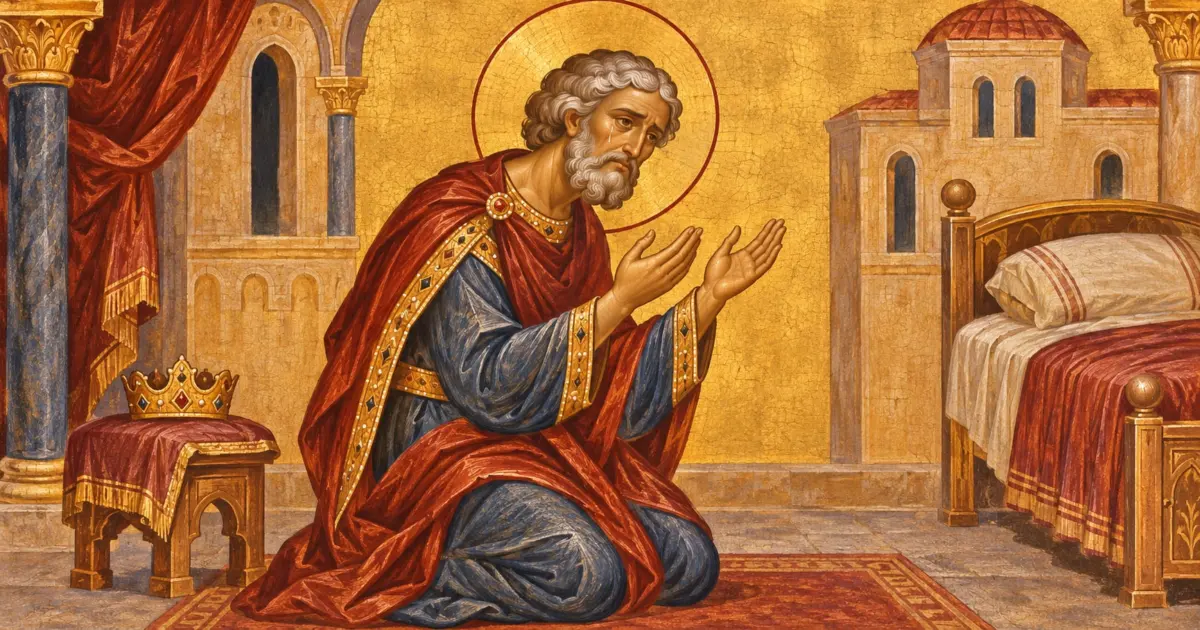
Psalm 6 is the prayer of a man who has come to know his sin and asks God to heal him as a father and as a physician. The commentary follows Saint John Chrysostom, Saint Athanasius, Blessed Theodoret and Euthymios Zigabenos.
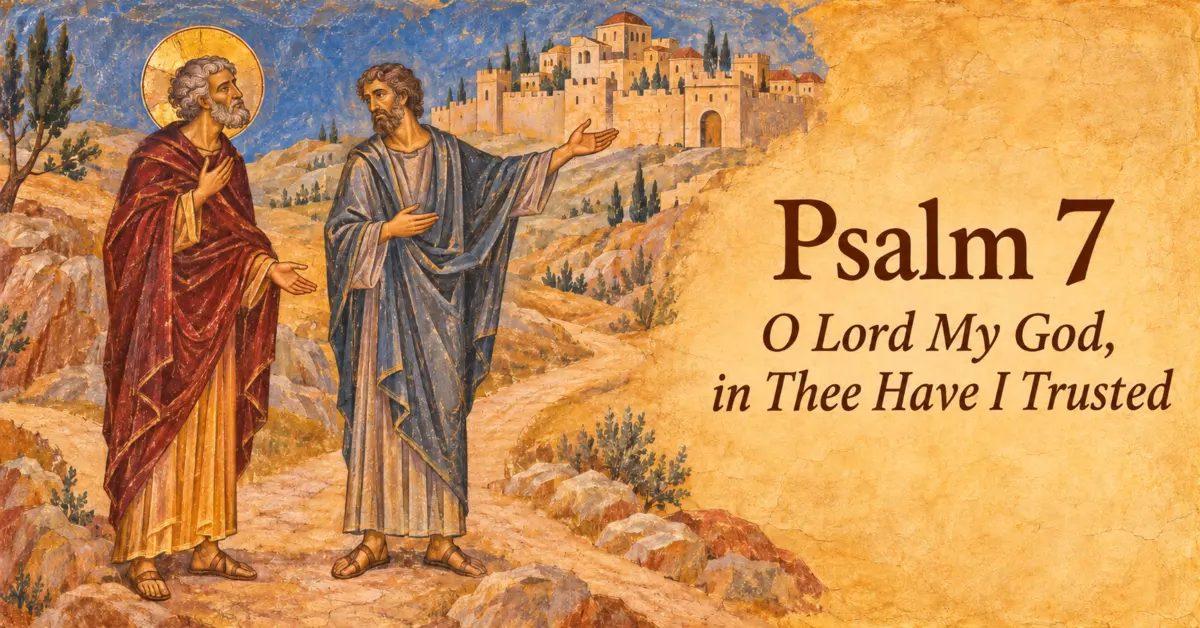
Psalm 7 is the prayer of David, persecuted by his own son, who puts his hope not in the counsel of friends but in God. The commentary follows Saint Basil the Great, Saint John Chrysostom, Saint Athanasius, Blessed Theodoret and Euthymios Zigabenos.
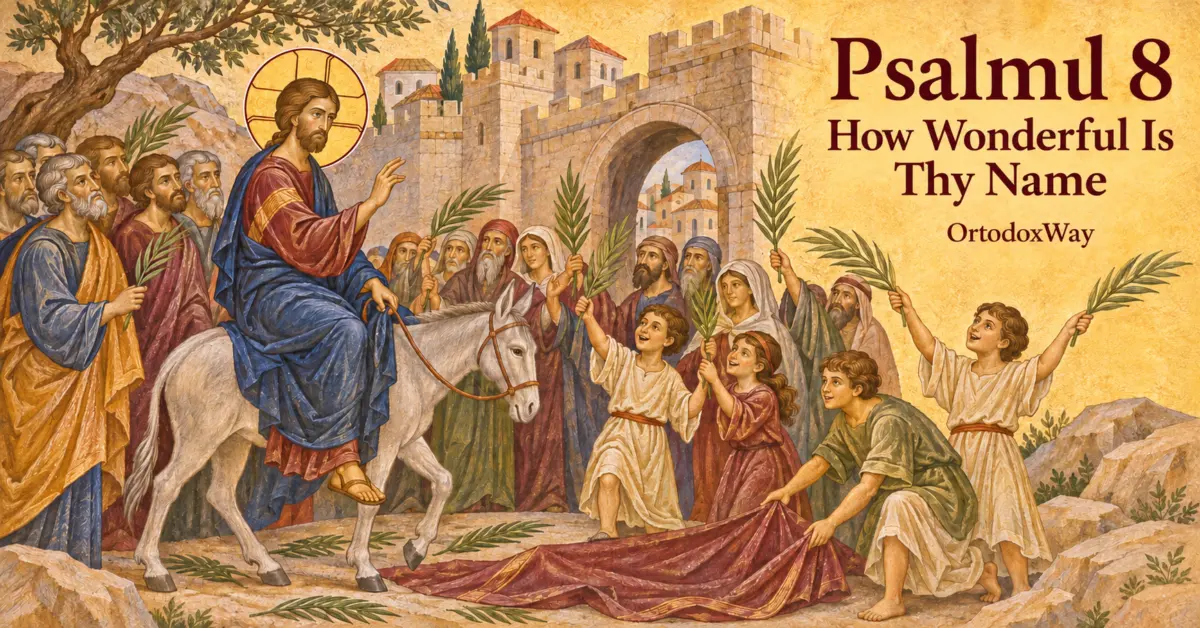
Psalm 8 is the song of wonder before God and before the honour given to man. Christ Himself quoted it on the day He entered Jerusalem, and the Apostle Paul interpreted it of Christ. The commentary follows Saint John Chrysostom, Saint Athanasius, Blessed Theodoret and Euthymios Zigabenos.

The First Kathisma contains the first eight psalms and opens the weekly reading of the Psalter at Saturday evening Vespers. We show briefly what each psalm says according to the Holy Fathers, where else the Church uses it, and what the troparia and prayer after the kathisma ask.

Open OrthodoxWay articles from your home screen and reread recently visited pages offline.
Add site to Home Screen