The Dormition of the Mother of God
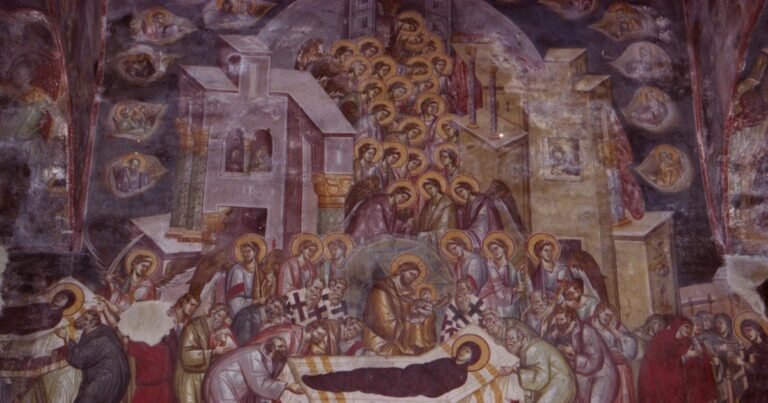
On 15 August the Church commemorates the true death and translation to life of the Mother of God. Why the feast is called the Dormition.

On 15 August the Church commemorates the true death and translation to life of the Mother of God. Why the feast is called the Dormition.
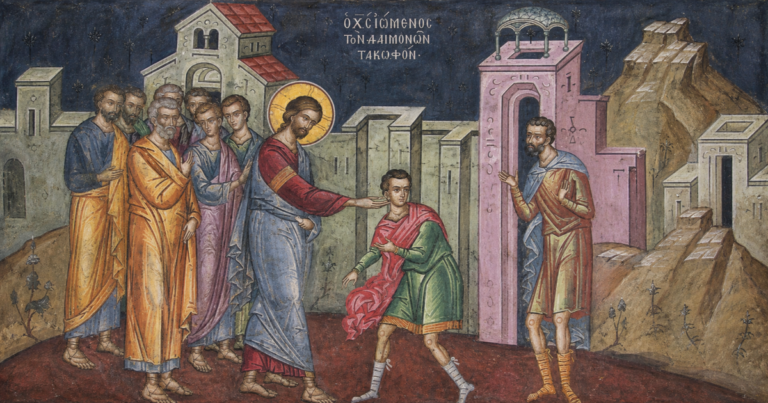
Descending from Tabor, Christ finds a kneeling father and powerless disciples. A patristic reading on faith, prayer and fasting.
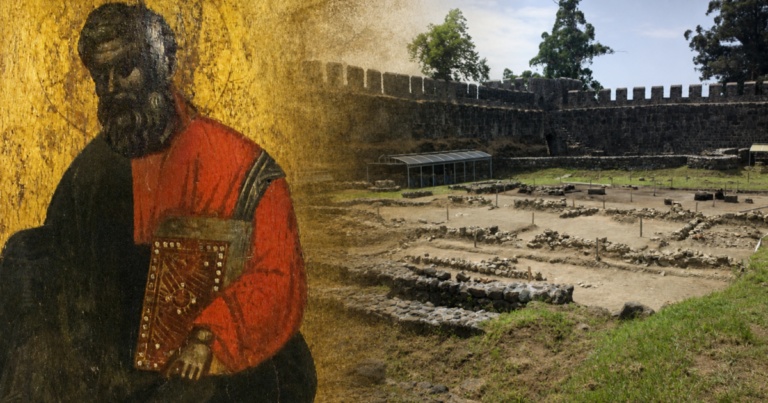
Matthias was chosen by lot to restore the company of the Twelve. Scripture preserves his election; Tradition, his preaching and martyrdom.
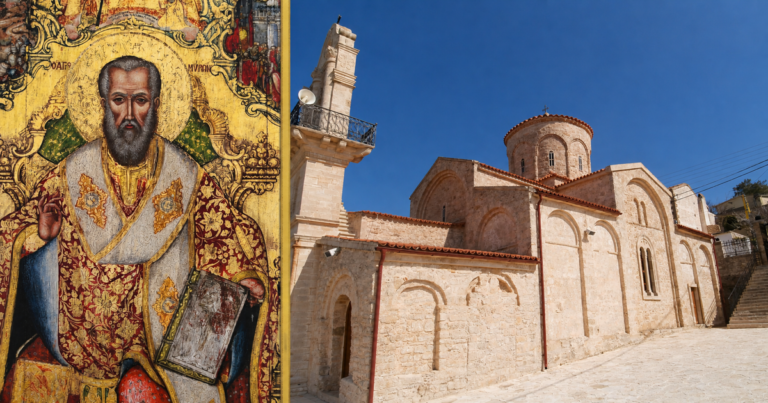
Saint Myron of Crete was a farmer, husband, priest and bishop. His life shows how almsgiving and gentleness can bring a sinner to amendment.
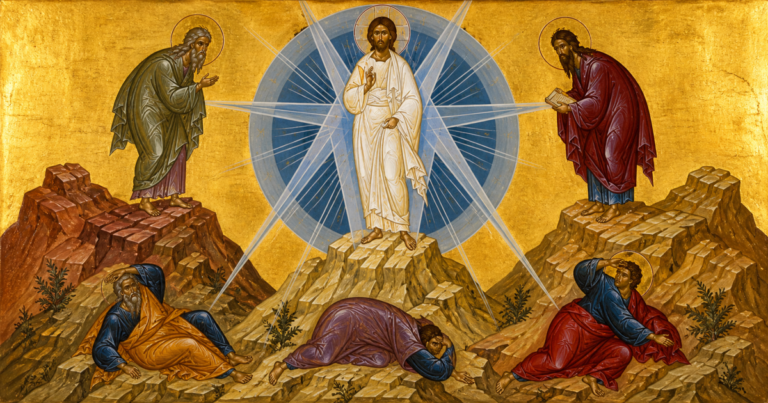
On Tabor the Lord lifted for a moment the veil over His glory and opened the eyes of the disciples. What the feast asks of our own sight, and how it is kept.
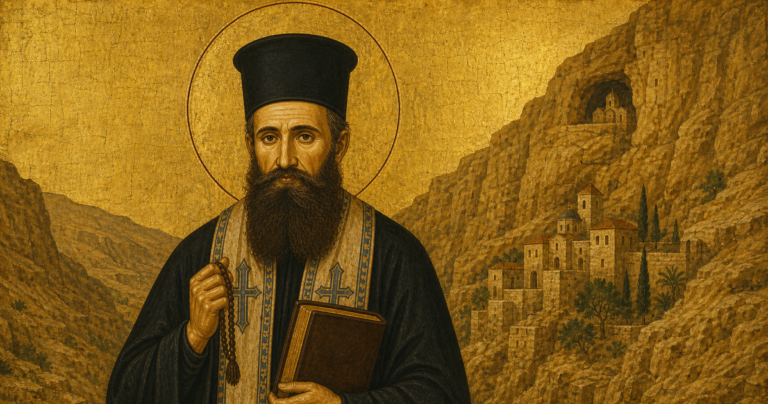
The life of Saint John Jacob the Chozebite of Neamț, the Romanian monk who struggled in the wilderness of the Jordan and in the cave of Saint Anna at Chozeba.
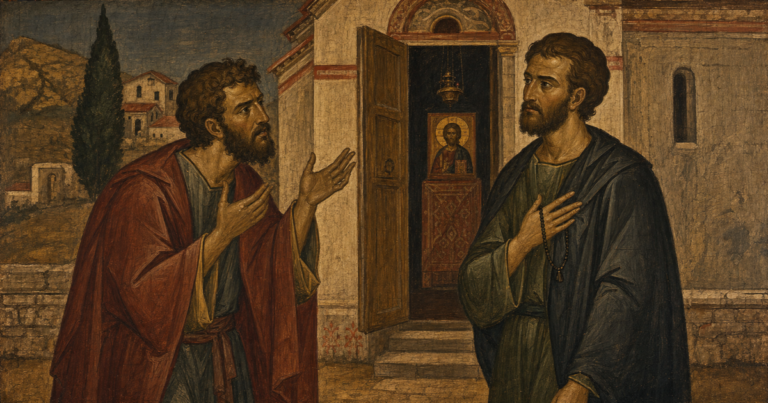
What should a Christian do when his neighbour blasphemes? A word of St John Chrysostom, read together with the measure of gentleness, discernment and prayer.
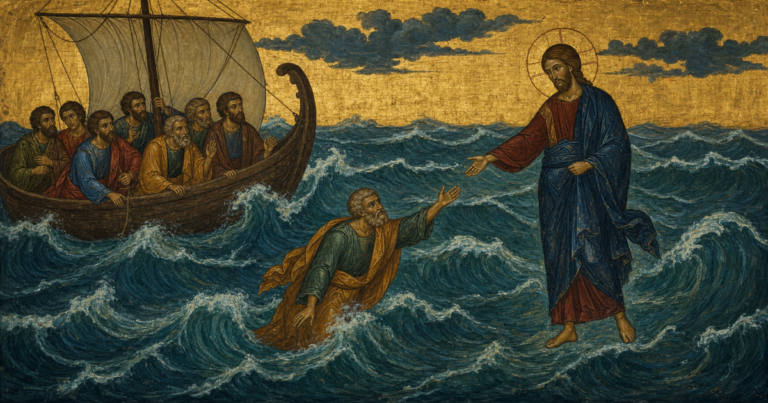
The Gospel of the Ninth Sunday after Pentecost (Matthew 14:22-34): Christ walks on the sea, Peter begins to sink, and the Name is spoken before the calm.
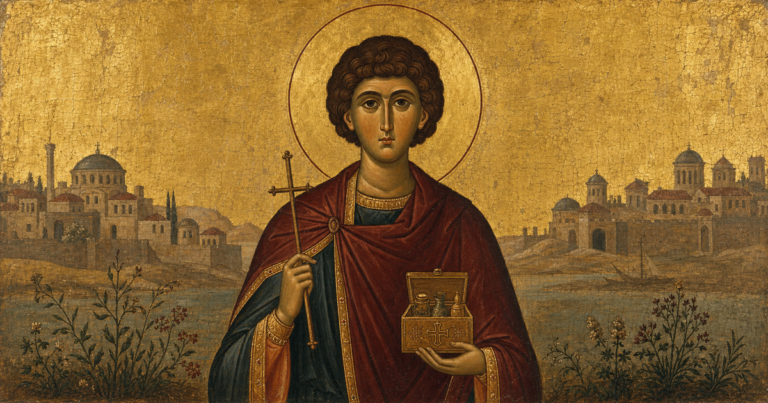
A young physician prepared for the imperial court, Panteleimon kept his art to the end, but placed it under another Master.
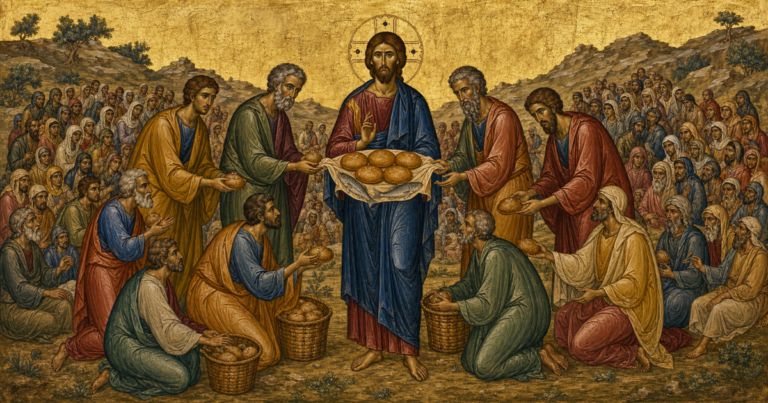
The Epistle and Gospel of the Eighth Sunday after Pentecost: what Paul learned from Corinth and how he answered it, and the day Christ fed five thousand people in the wilderness.