“Friend, how did you come in here without a wedding garment?”
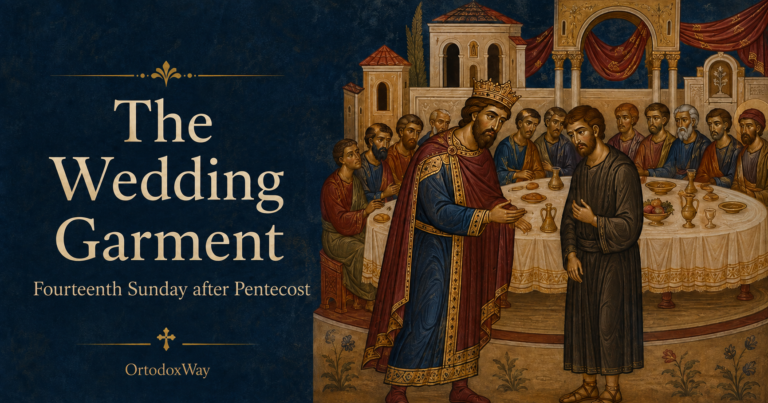
The wedding garment in the teaching of the Holy Fathers: Baptism, a changed life and love. Fourteenth Sunday after Pentecost, Matthew 22:2–14.

The wedding garment in the teaching of the Holy Fathers: Baptism, a changed life and love. Fourteenth Sunday after Pentecost, Matthew 22:2–14.
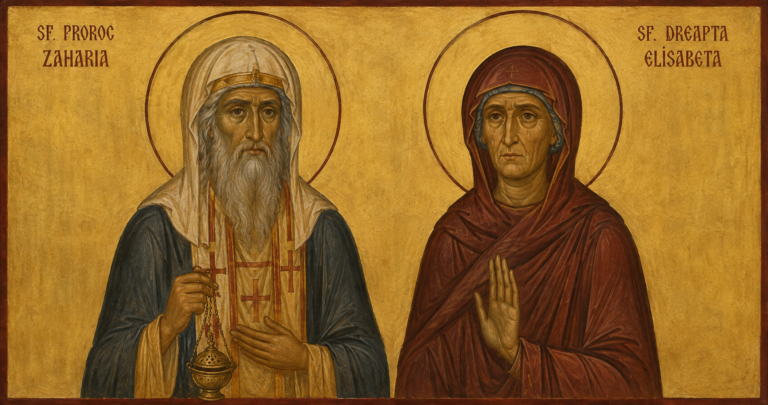
Two righteous people who asked for a child all their lives, received one in old age, and did not keep him. What the Gospel says about Zachariah and Elizabeth, what the Church confesses about the slaying of the priest in the Temple, and what it rests on.
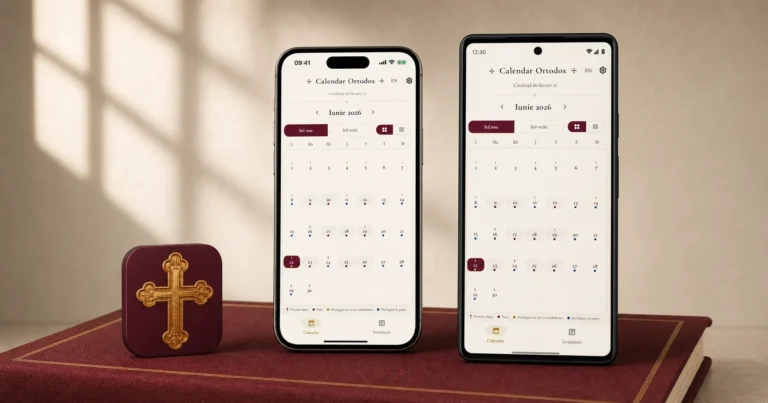
Orthodox Calendar in Romanian, English, Russian and Greek, with calendars for the Romanian, Russian and Greek Orthodox Churches, in New and Old Calendar styles. Free for iPhone and Android.

Frank Atwood was executed in Arizona after receiving the Great Schema. What the record shows, what he wrote about himself, and how his image took shape in Orthodox circles.
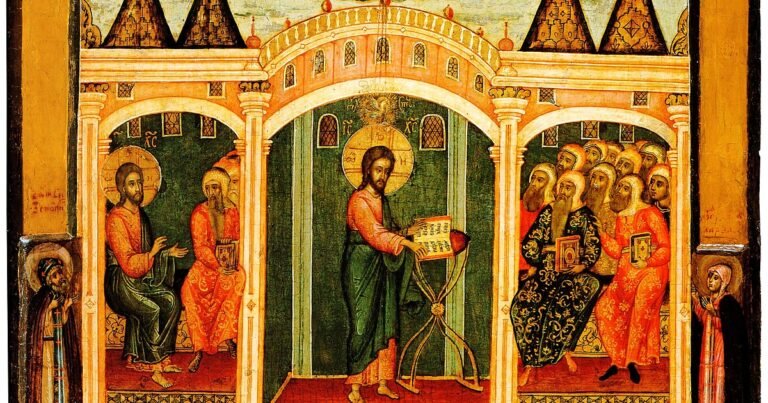
On 1 September the Church begins a new year. What the Indiction is, why it did not come from Nicaea, and how a Christian prepares for the year ahead.
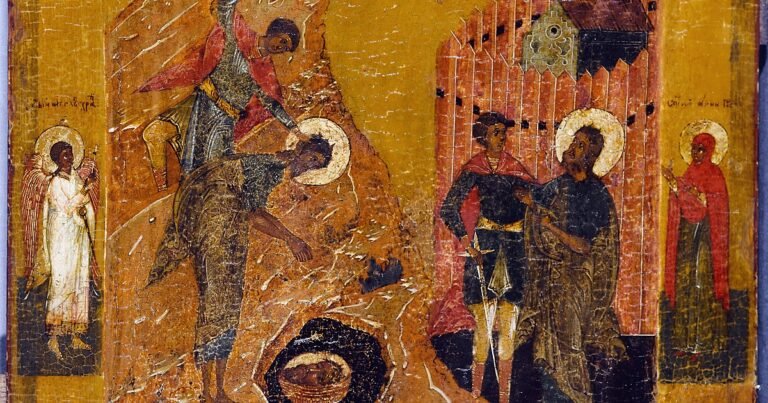
On 29 August the Church commemorates the Beheading of Saint John the Baptist with fasting. What the Gospels and Josephus record, and how the Forerunner went before Christ even in death.
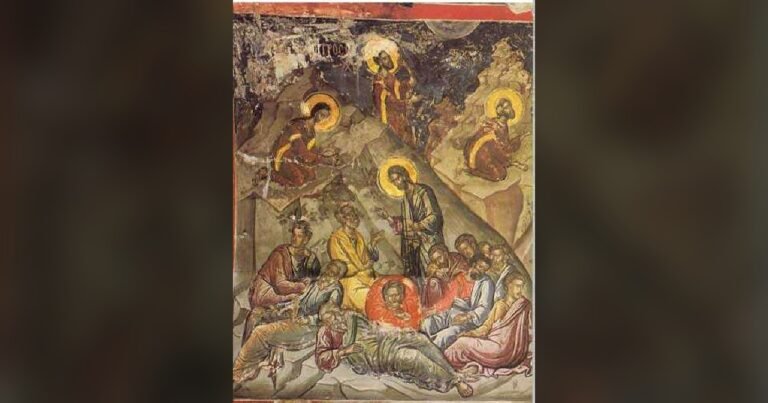
Why do we sometimes ask and not receive? Gethsemane, persistence, the will of God, and the way prayer first changes the one who asks.
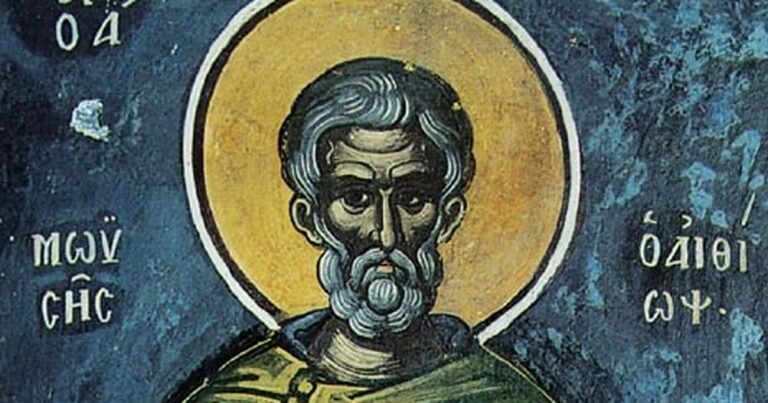
The life of Saint Moses the Ethiopian, from robber chief to father of the desert, and the repentance he carried until death.
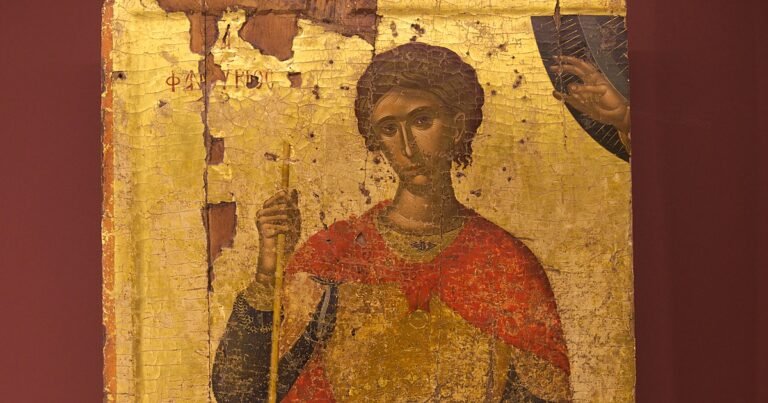
What we know about Saint Phanourios: the icon of Rhodes, the twelve torments, the antiquity of his veneration, the phanouropita and later traditions.
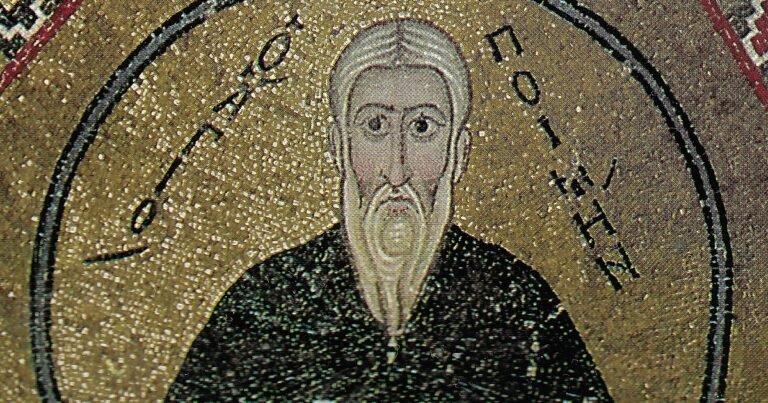
The life and teachings of Saint Poemen the Great on thoughts, humility, discernment, watchfulness and prayer. Commemorated on 27 August.