Byzantine Chant — The Music from the Monastery That You Don’t Sing in Your Parish
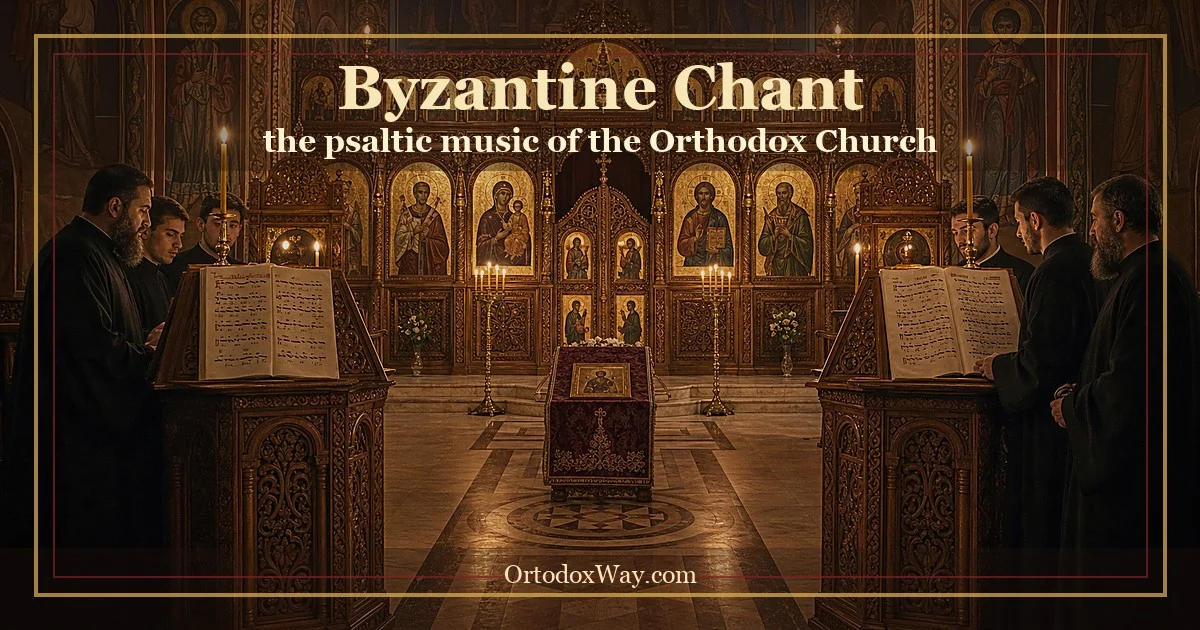
What is psaltic music, and why do Orthodox parishes sound so different? A history of Byzantine chant, the Oktoechos and Saint John Koukouzelis.
Studies on Orthodox history, hesychasm, the Russian diaspora, ROCOR, the Philokalia, canonical ruptures, and the living transmission of Tradition.
Historical Map
Studies on the transmission of Orthodoxy through time: hesychasm, the Russian diaspora, ROCOR, the Philokalia, canonical ruptures, and continuity of Tradition.
A major Romanian episode of twentieth-century hesychasm, where culture, monasticism, and the prayer of the heart meet.
What is psaltic music, and why do Orthodox parishes sound so different? A history of Byzantine chant, the Oktoechos and Saint John Koukouzelis.
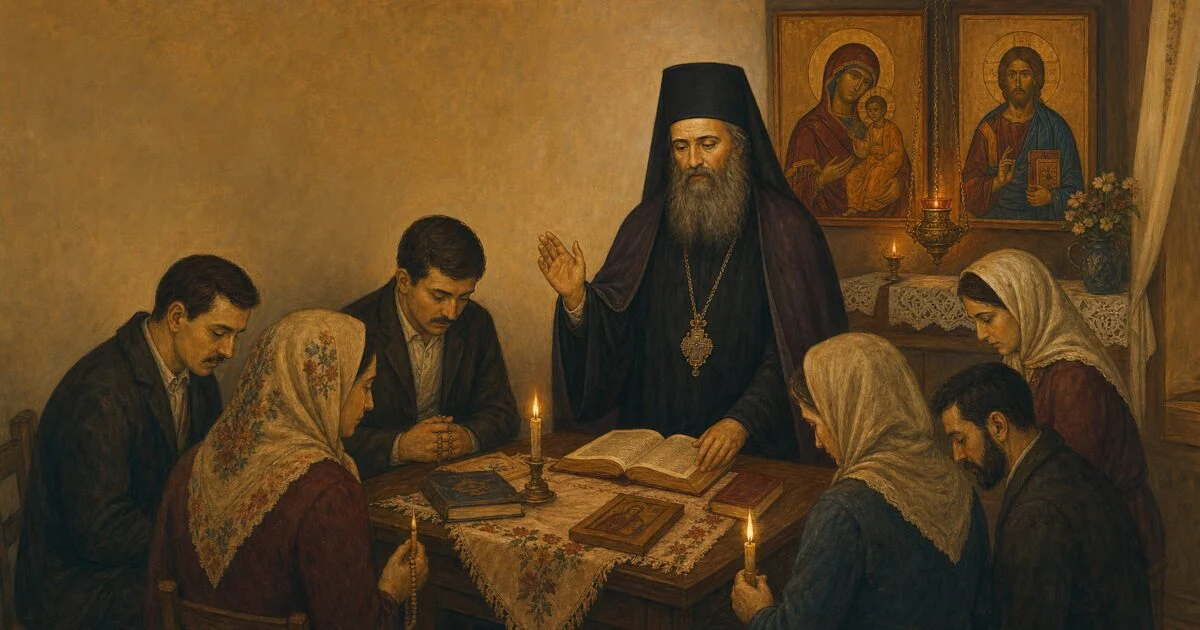
The Bogomoljci movement, the great lay awakening of Serbian Orthodoxy, under Saint Nikolai Velimirović and in continuity with the patristic tradition.
The history of the Burning Bush of Antim Monastery: Sandu Tudor, Father Ioan Kulâghin, the prayer of the heart, Communist imprisonment, and Romanian hesychast legacy.
A careful Orthodox reading of Father Seraphim Rose, his biographies, Platina, hagiography, repentance, and discernment.
The history of the rupture between the Russian Archdiocese of Paris (Rue Daru) and ROCOR: from the Russian exile after 1917 to the reunifications of 2007 and 2019.
“When I saw him, I glorified God from my whole soul that He had deemed me worthy, unworthy as I am, to behold so holy a man.” — Saint Paisius Velichkovsky, Autobiography, on Elder Basil On April 25, the Romanian…
How a believer can recognise a canonical ROCOR parish in the UK — and why not every church calling itself the «Russian Orthodox Church Outside of Russia» is in communion with the Orthodox Church.
On the shelves of Orthodox bookshops today you can find several different Philokalias — in Greek, in Russian, in Romanian, in English. They are not identical. This article maps the living lines of transmission — from St. Paisius Velichkovsky at Neamț, through St. Theophan the Recluse, to Fr. Dumitru Stăniloae — and explains what each editor added, omitted, filtered, or restored, and why it matters for the reader today.

Open OrthodoxWay articles from your home screen and reread recently visited pages offline.
Add site to Home Screen